
In partnership with a fast consumable product company I participated in an interdisciplinary group of engineer, business, and design students to design an indoor plant care product for new plant parents. As an industrial design student, I helped the team take their research about indoor plant care and create a new product.
Class: Engineering Multidisciplinary Capstone 2
Duration: 16 weeks
Final Concept: The AquaNourish
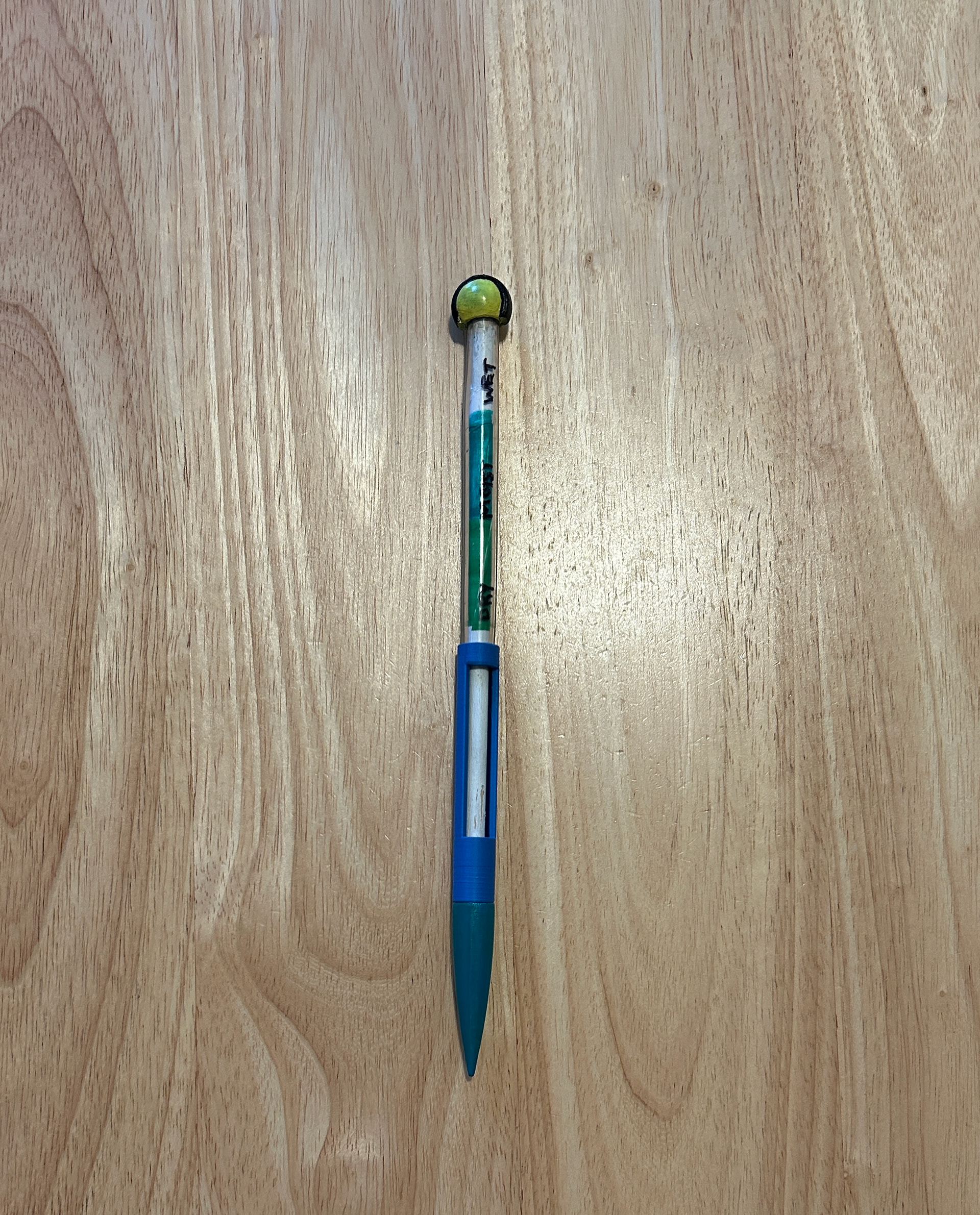
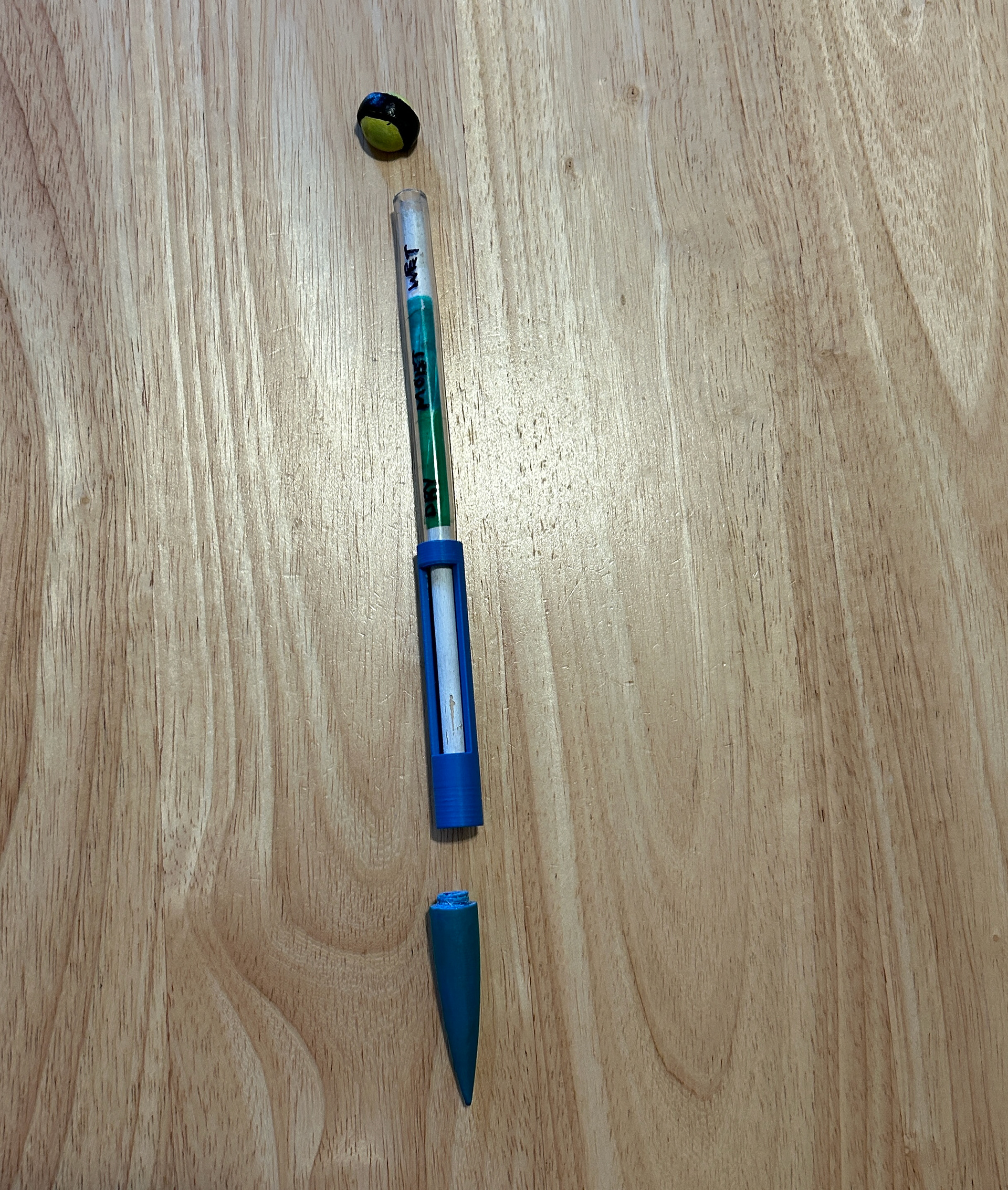
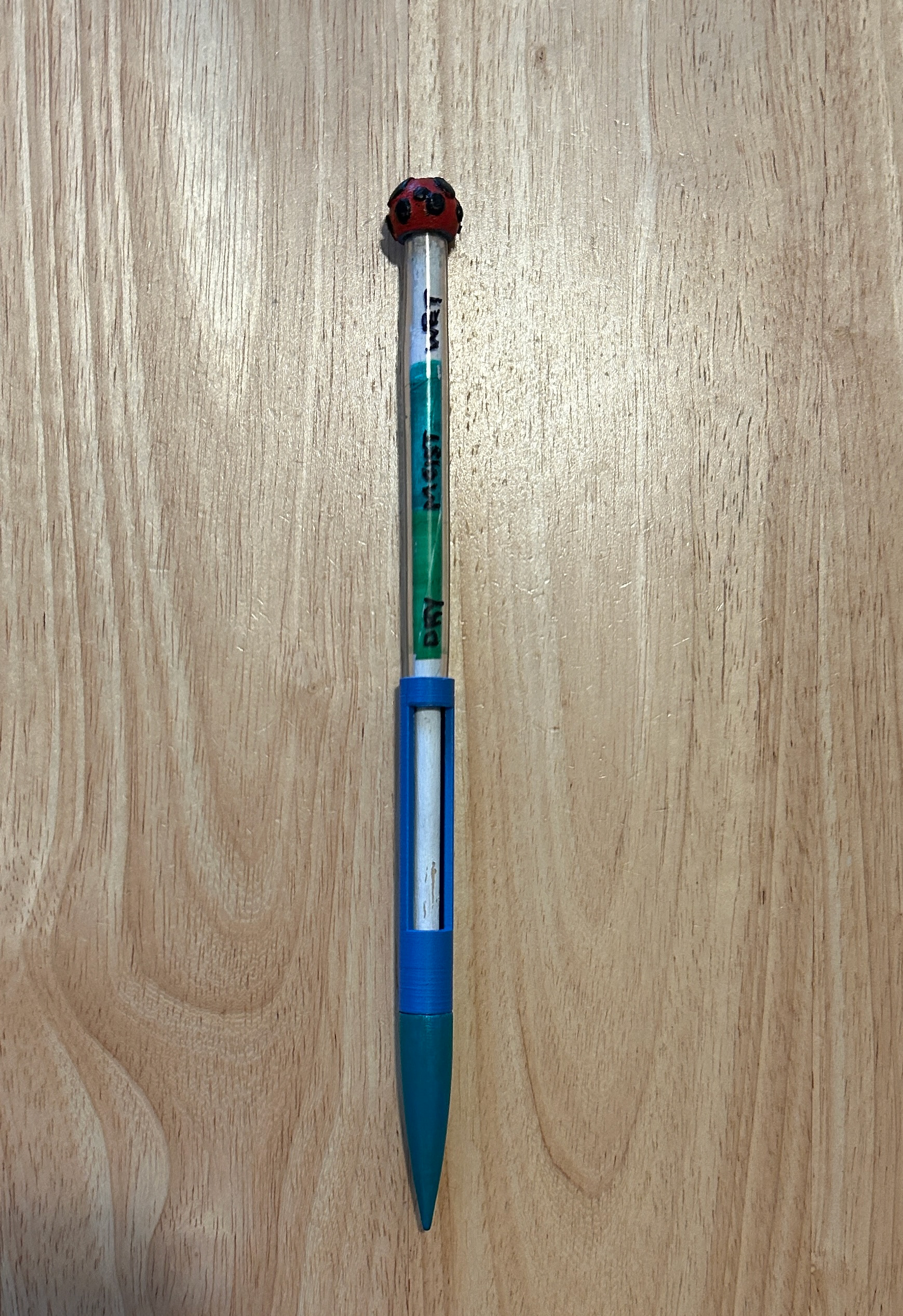
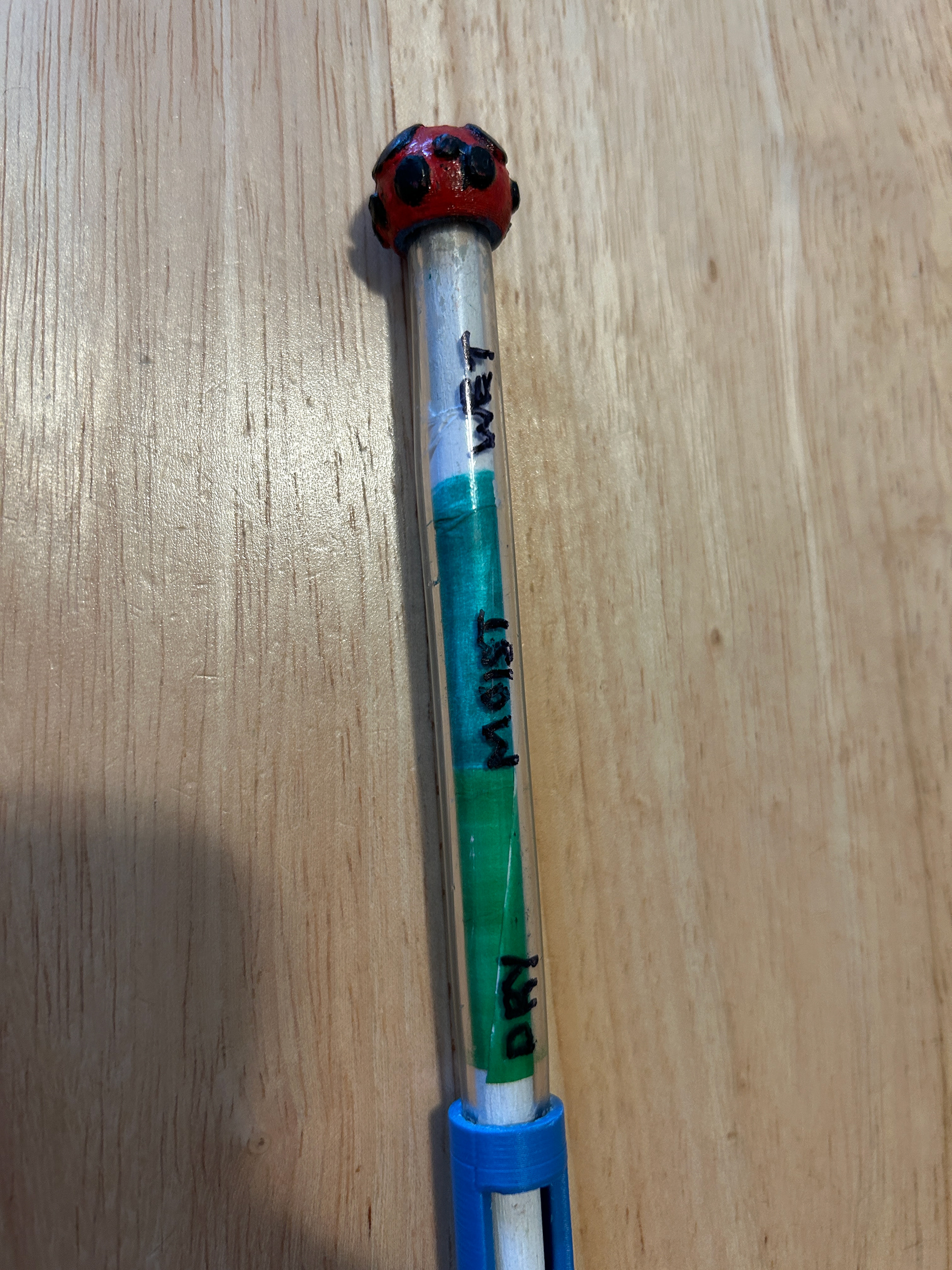
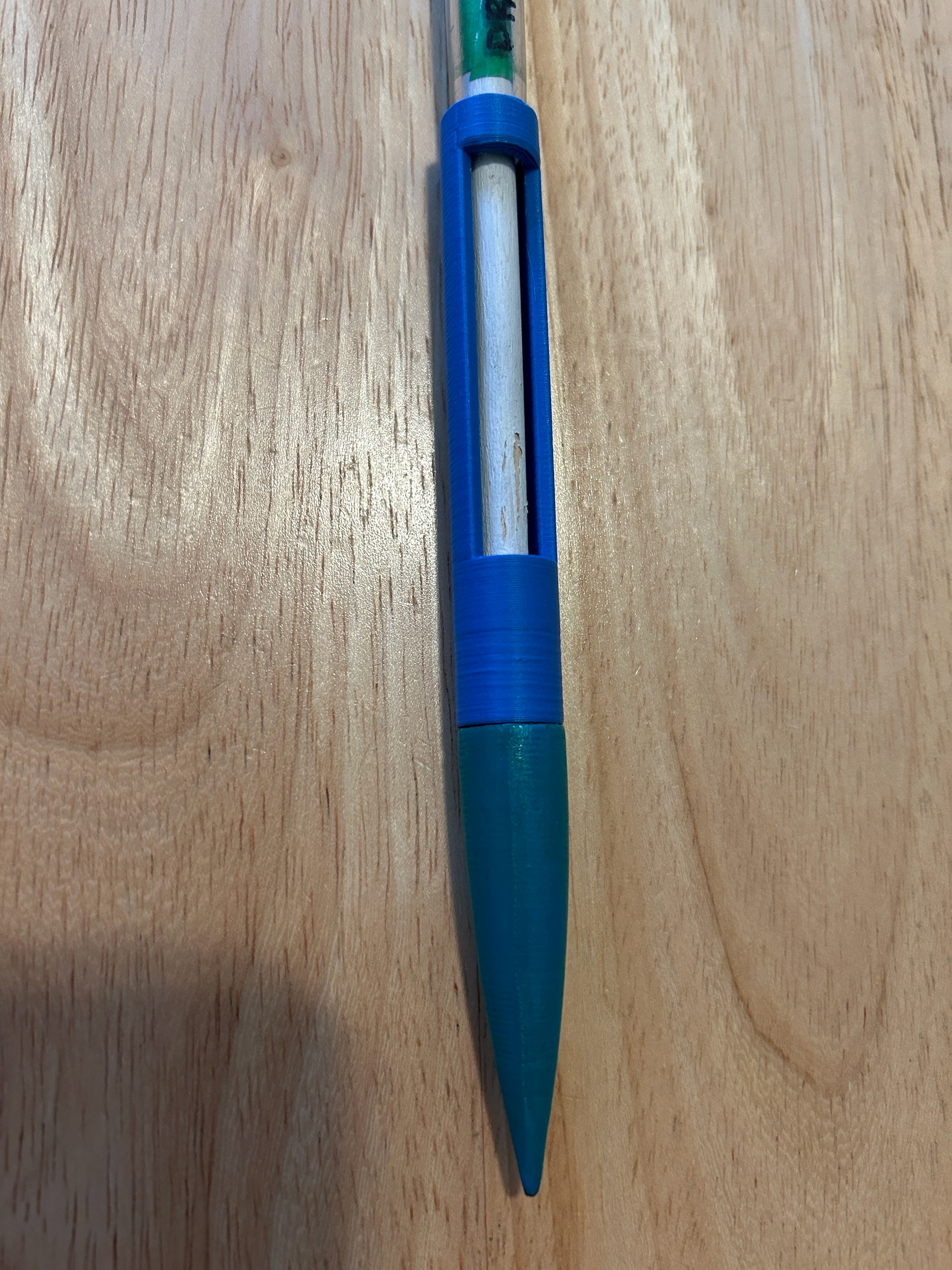
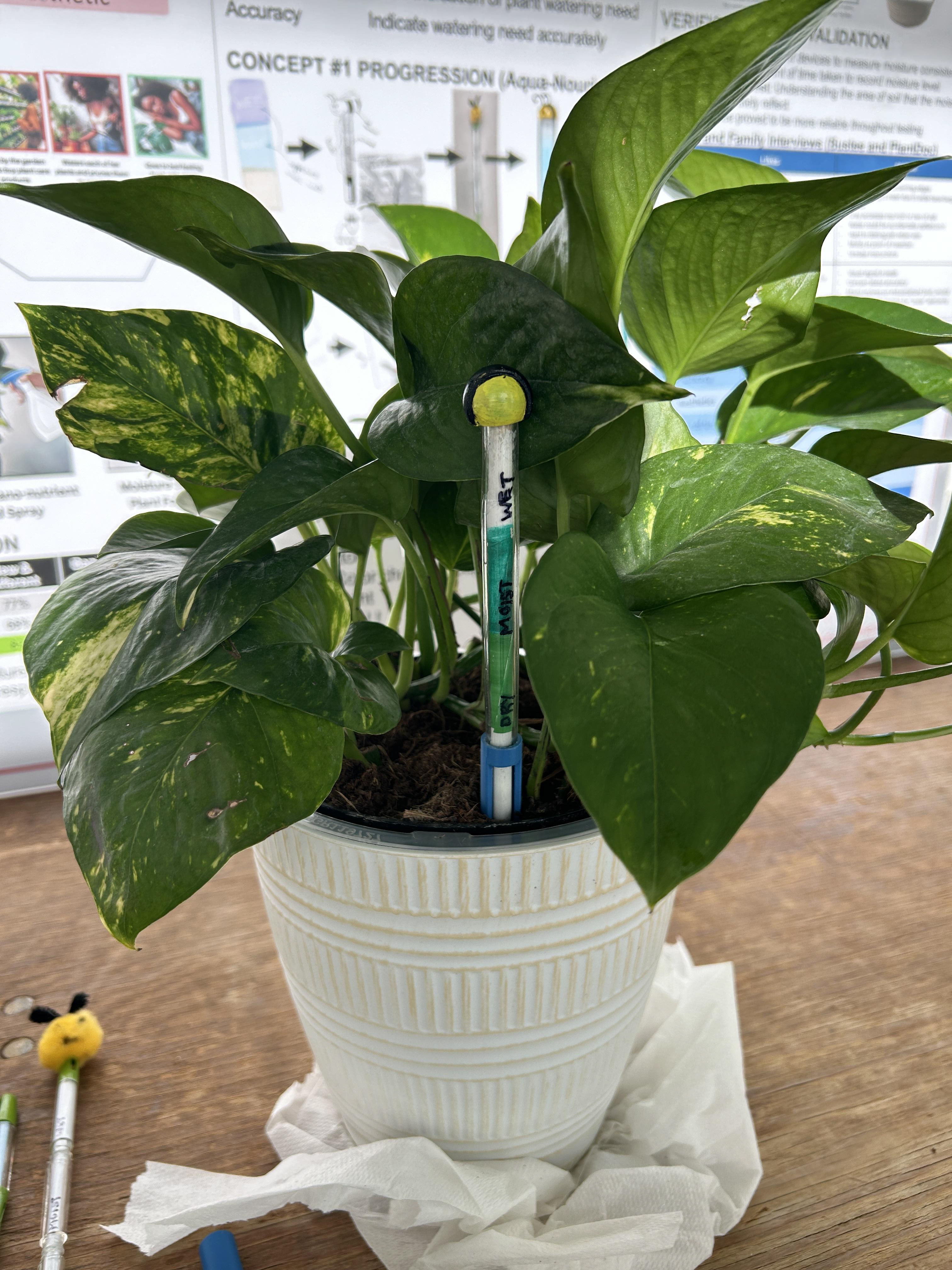
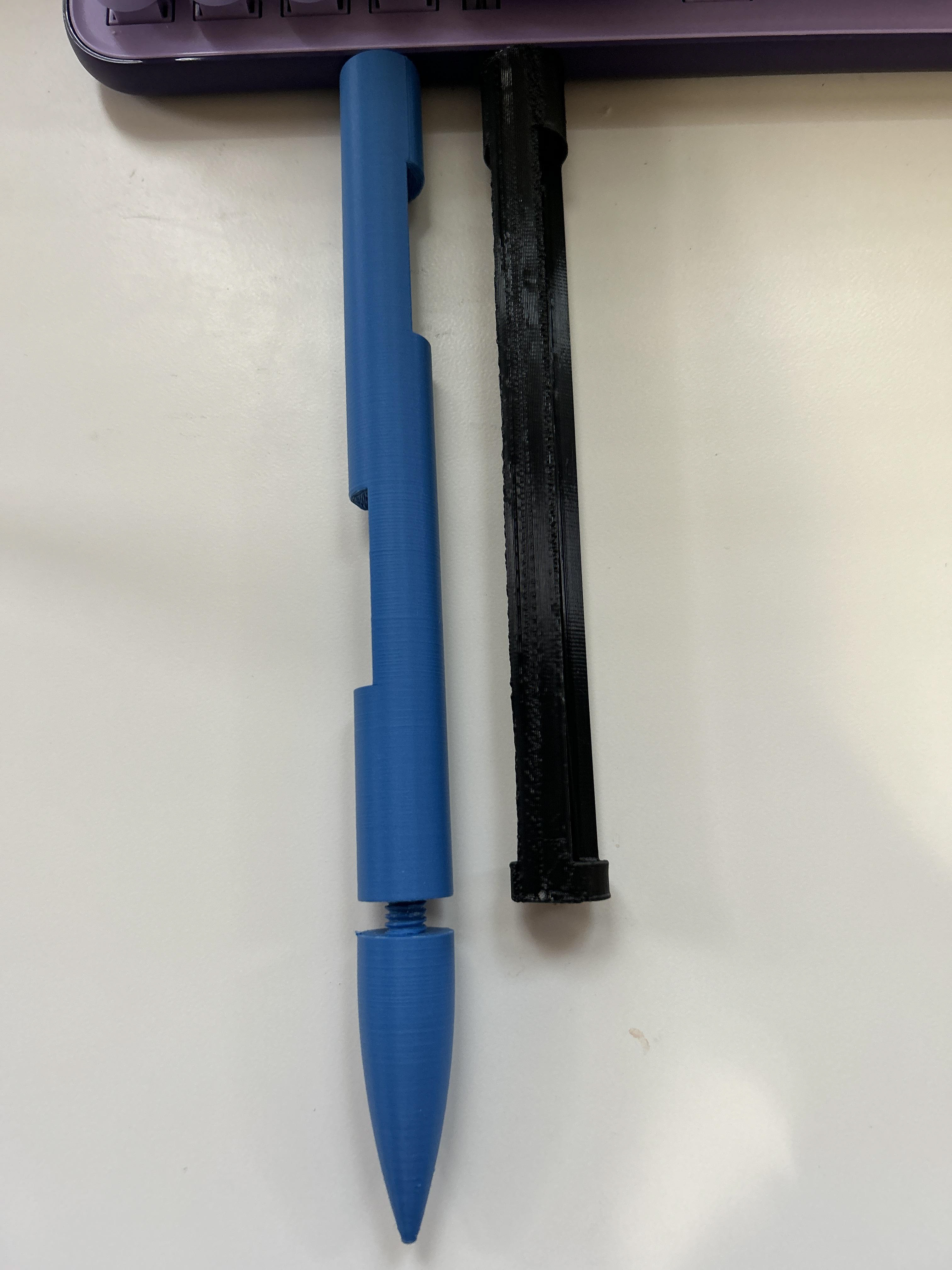
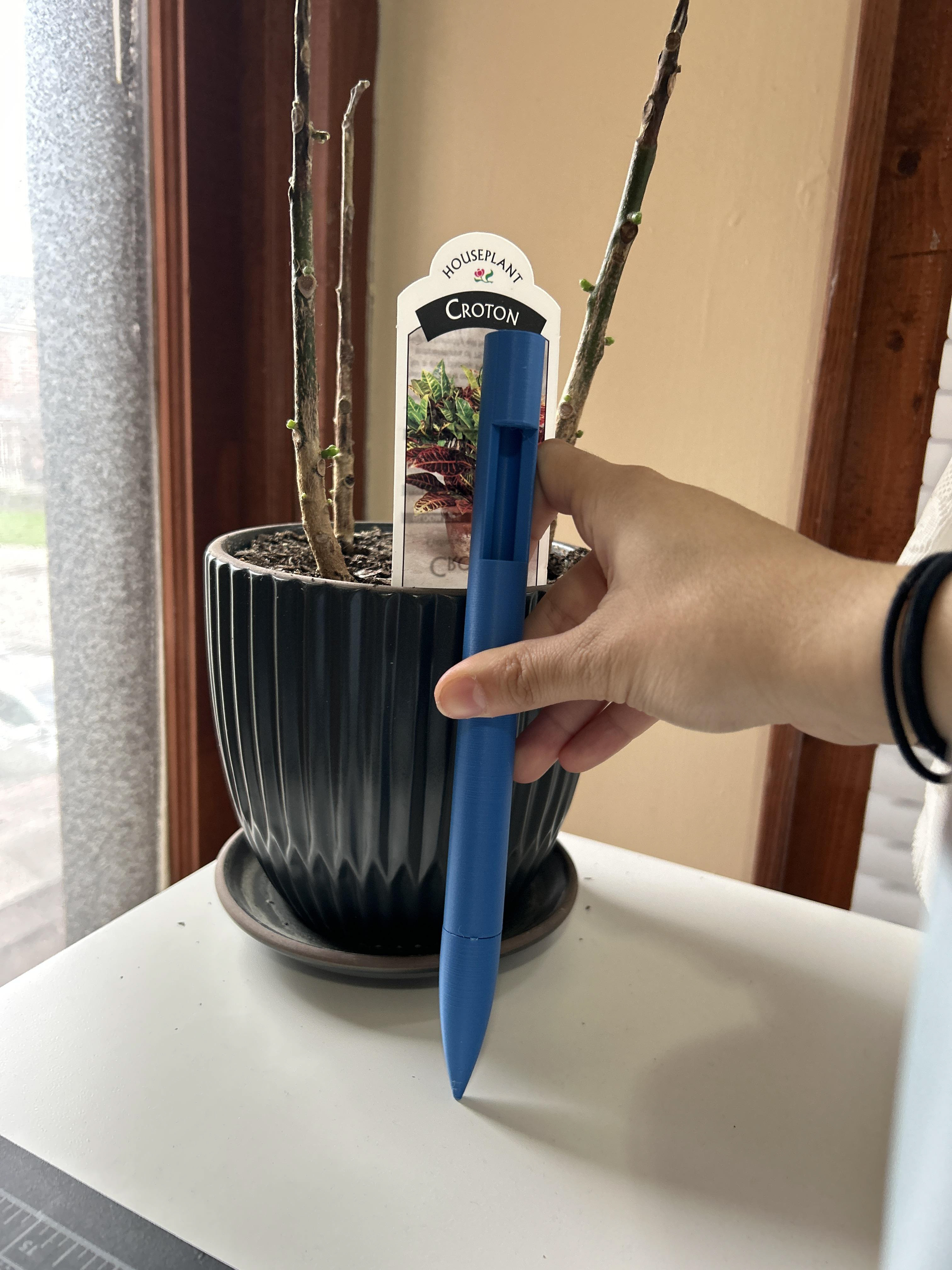
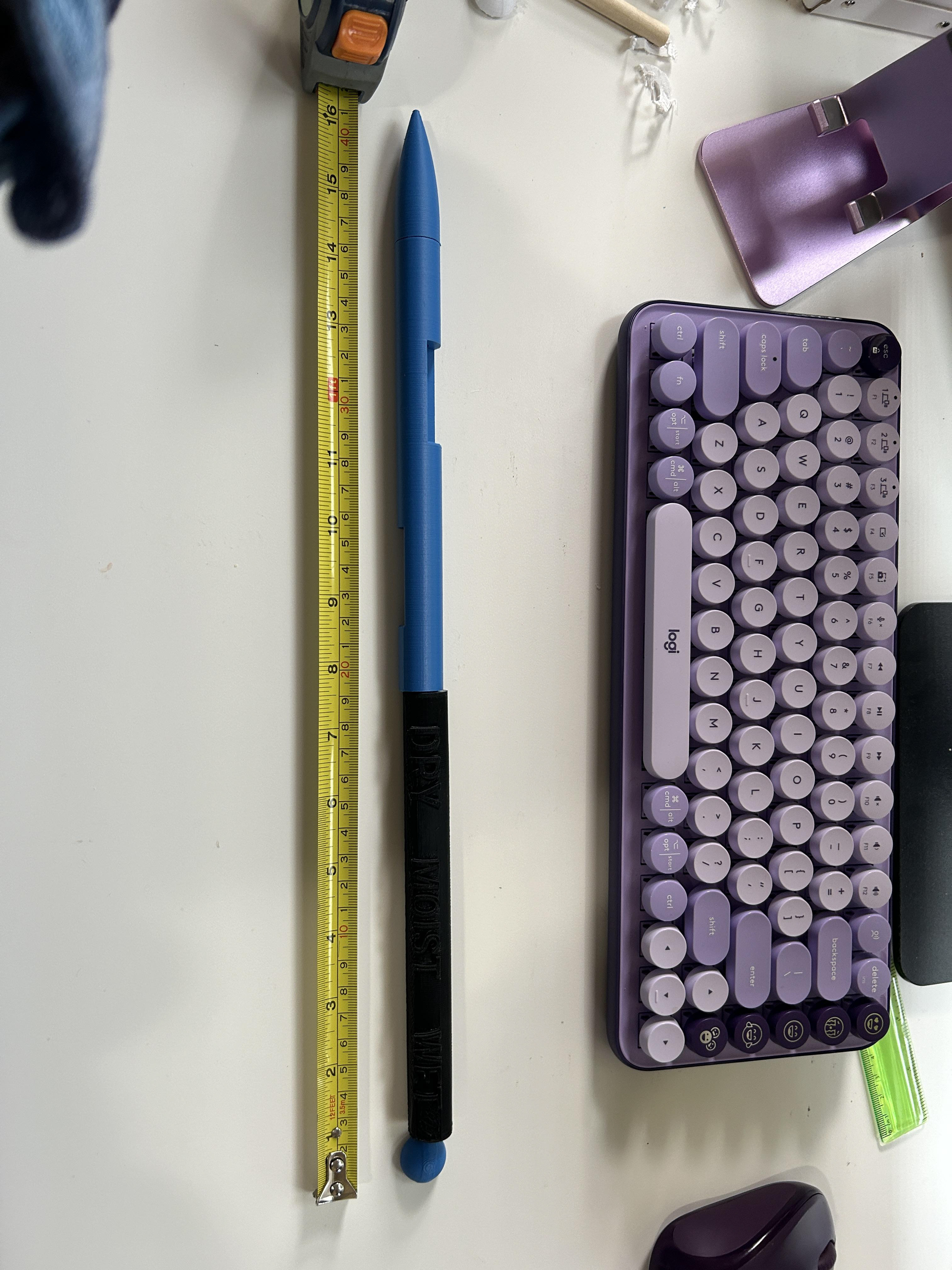
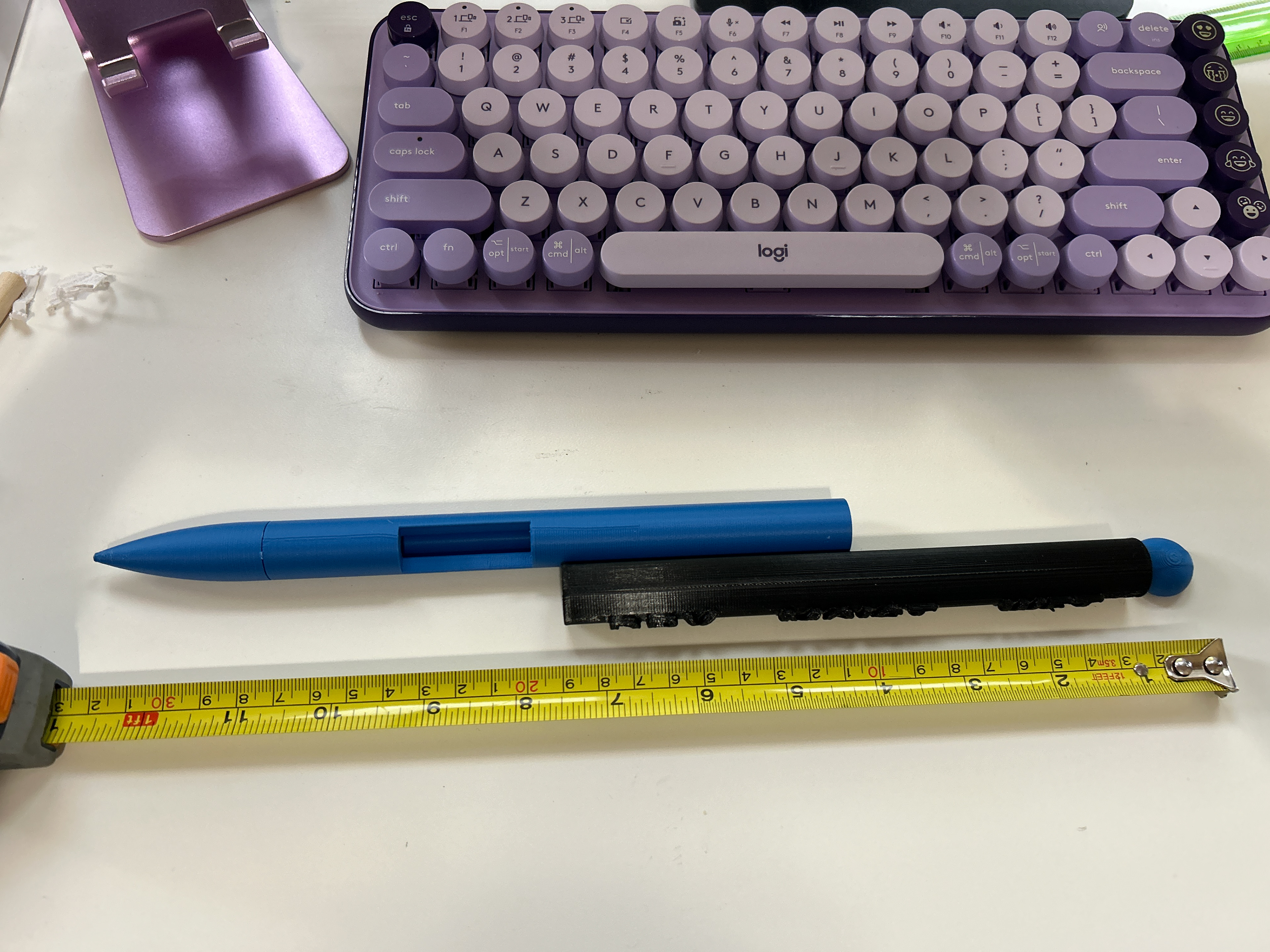
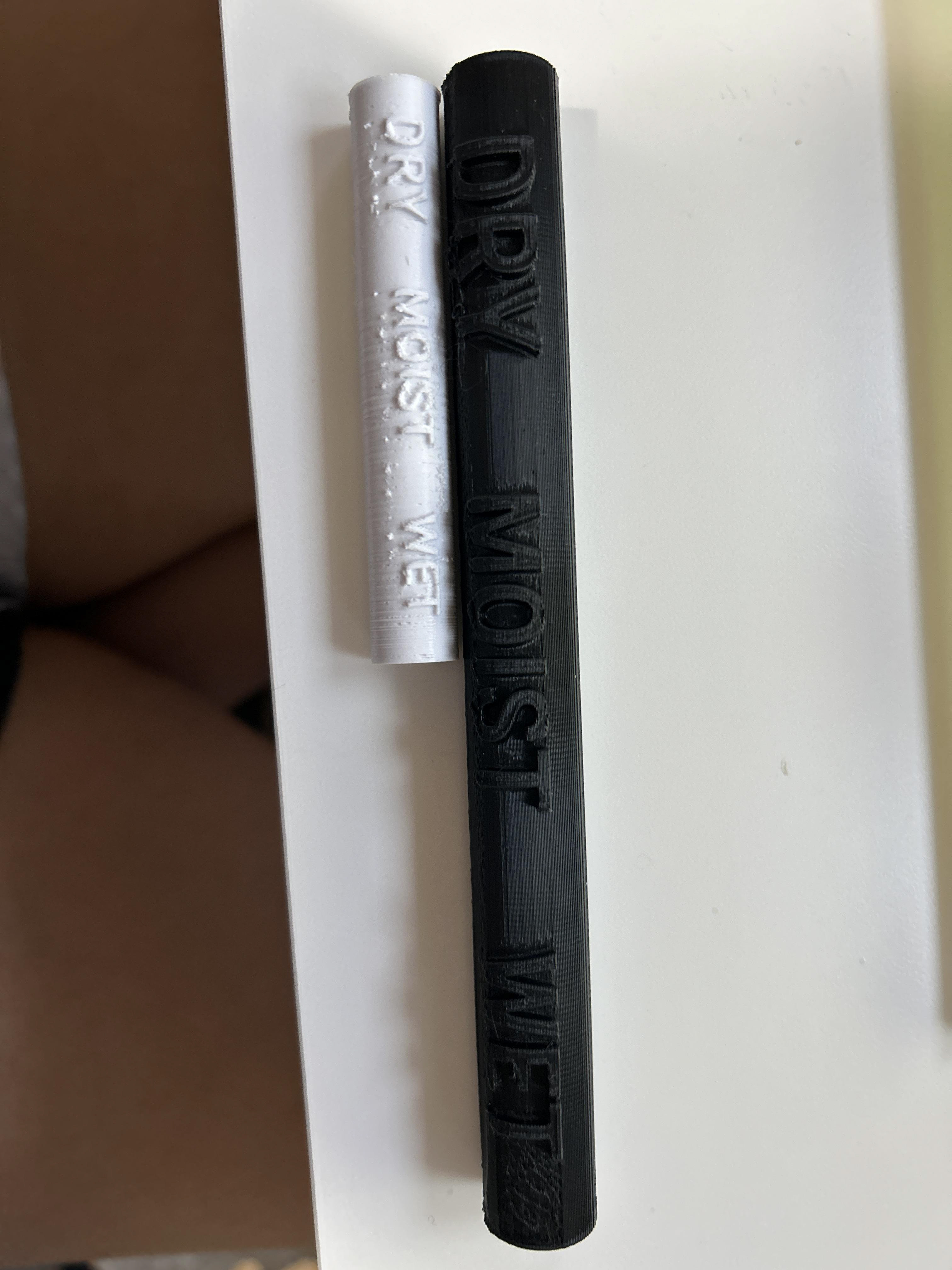
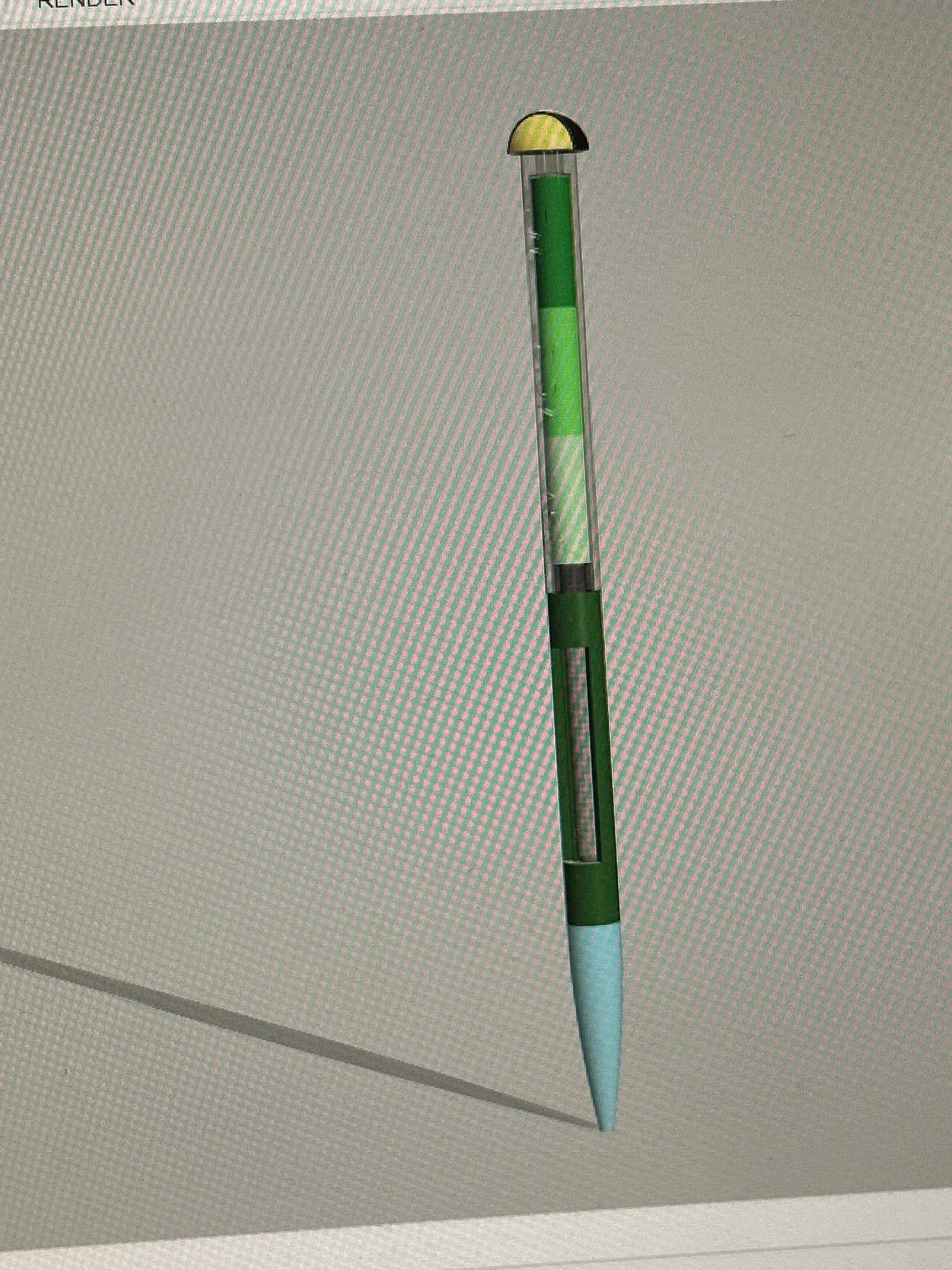
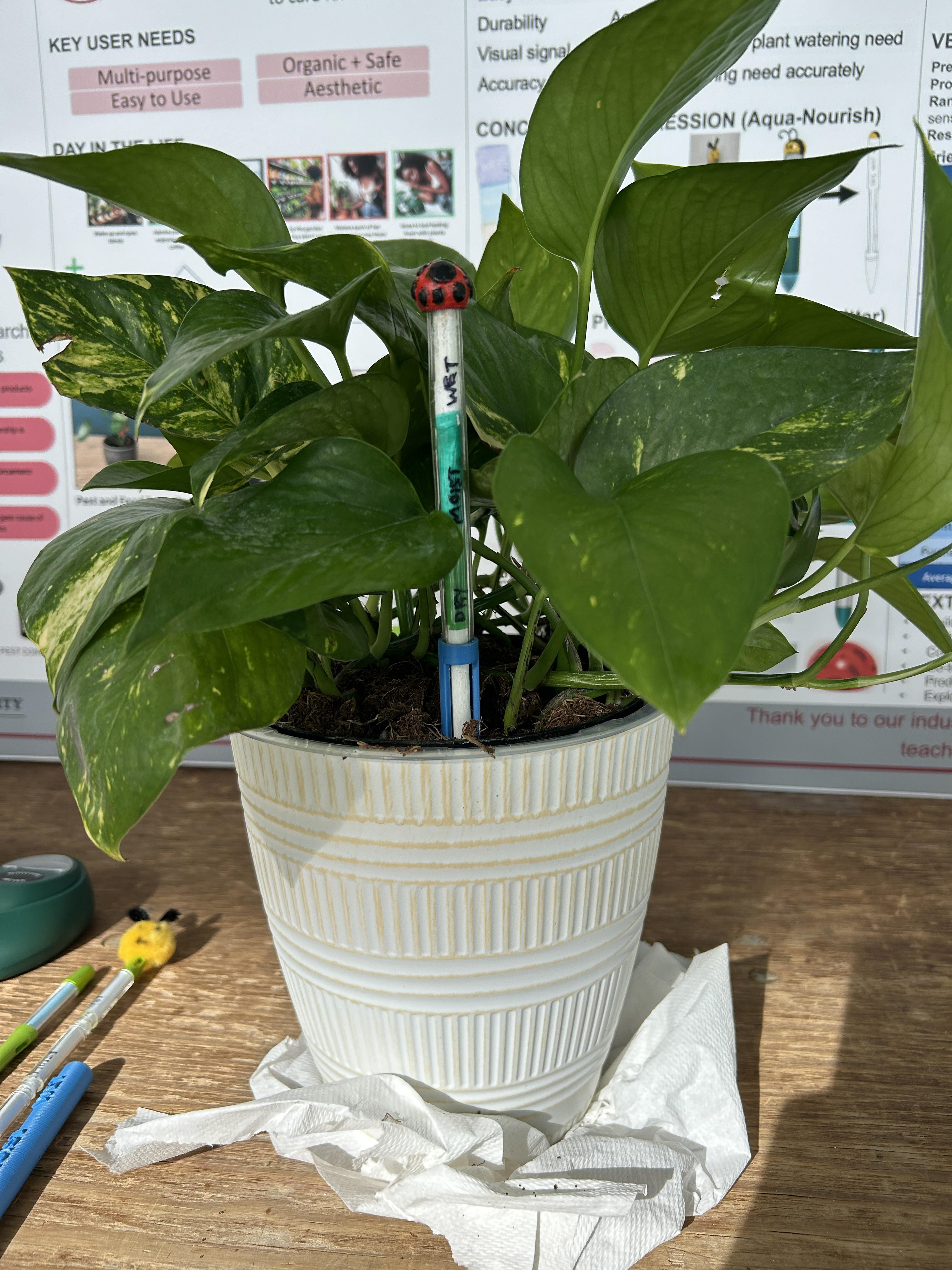
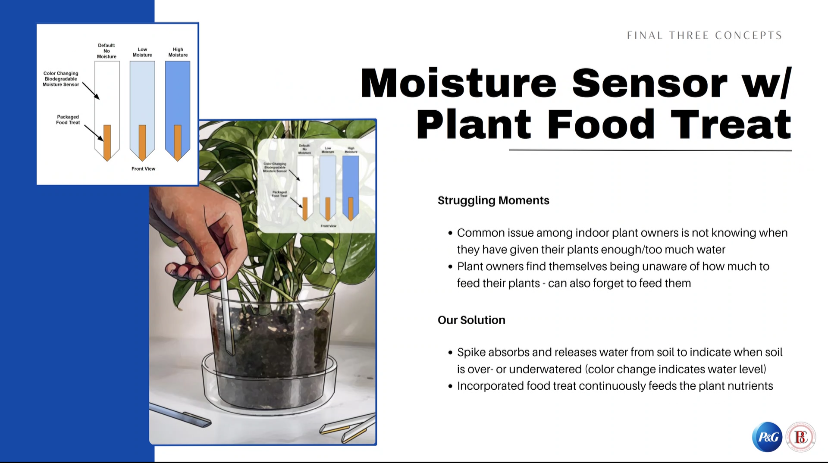
AquaNourish is a multipurpose water sensor and food spike product that enhances the experience of caring for an indoor plant. With its sleek and cute design, AquaNourish is a way for beginner plant parents to better communicate with their plant about it's moisture levels. The product uses a cotton swap that is inserted into the plant to absorb the moisture in the soil. The moisture travels up the cotton swap and comes in contact with color changing paper at the top of the product. The level at which the paper has changed color, indicates the level of moisture the plant is at. At the bottom of the product there is a replaceable food spike that gives nourishment to the plant for about 2-3 months.
See the following link to view our full project presentation:
Process
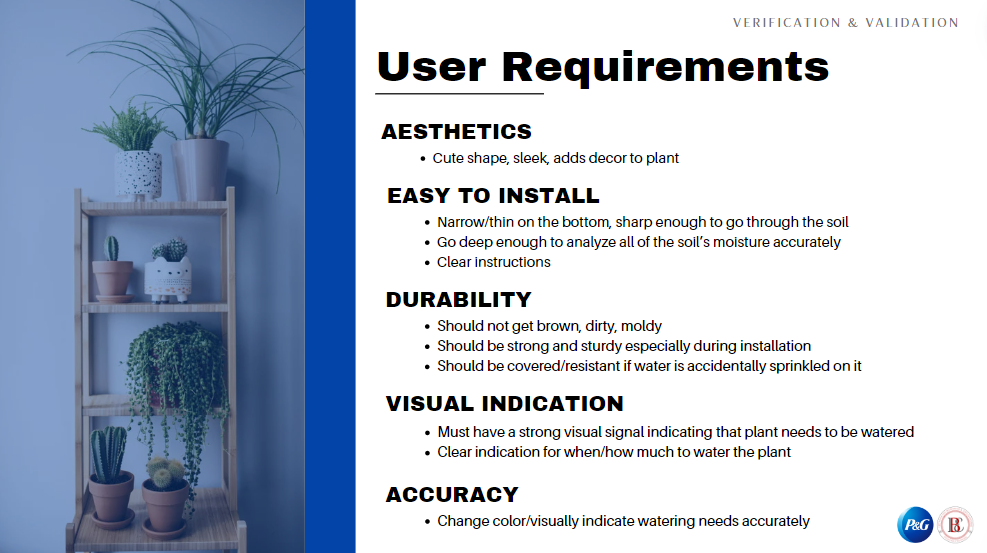
In the previous semester, the engineering group had conducted research and listed design attributes desired in an indoor plant car product.
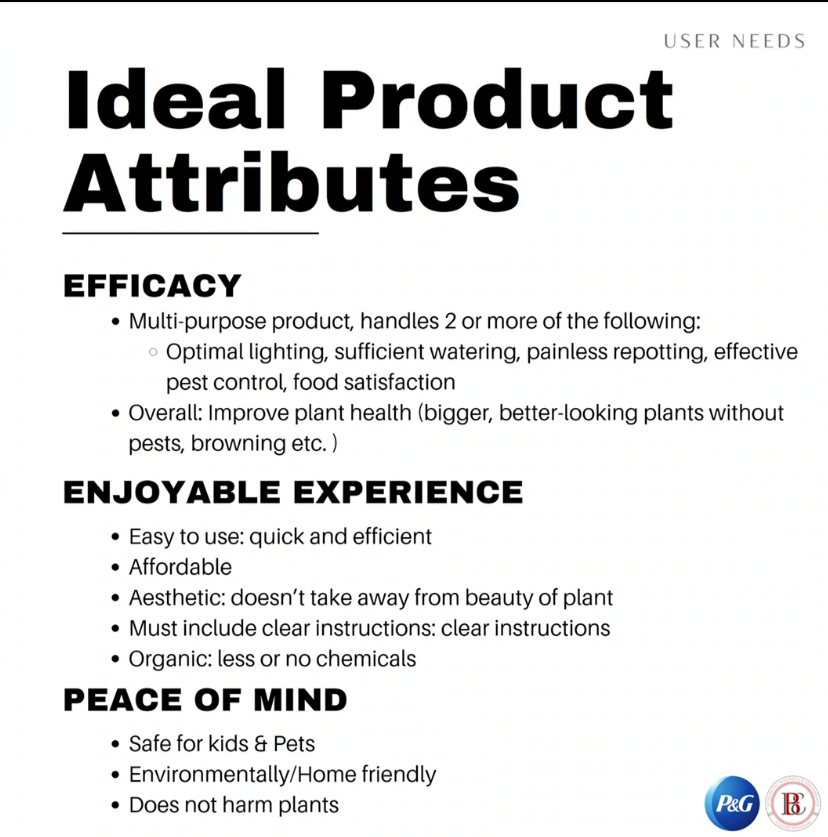
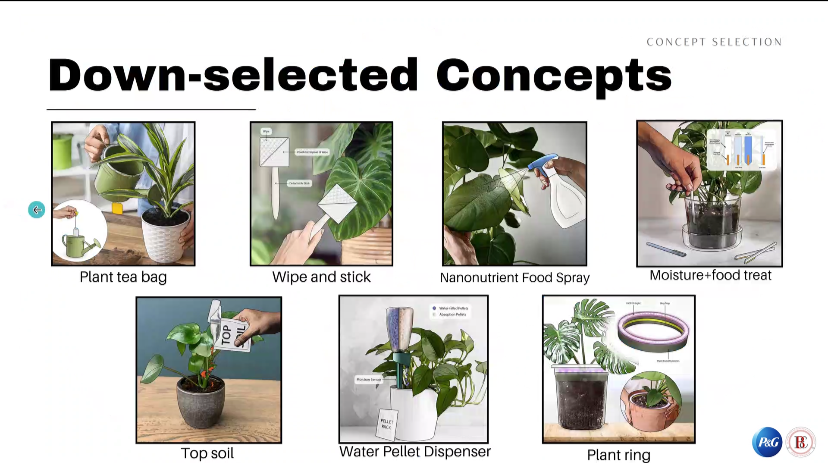
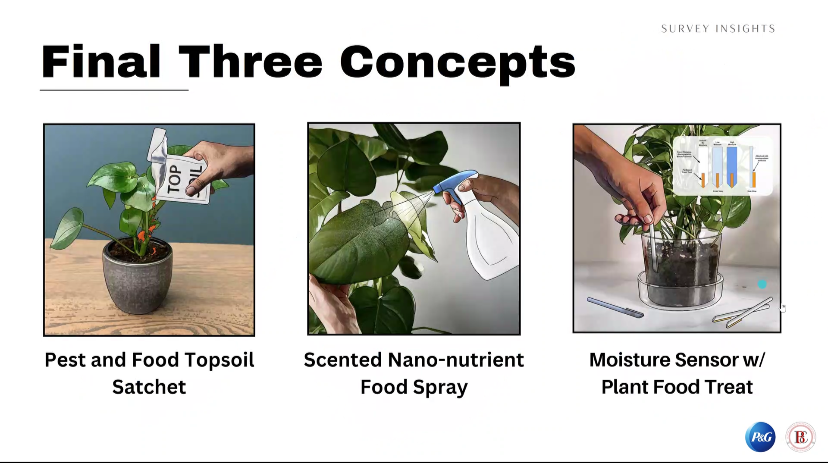
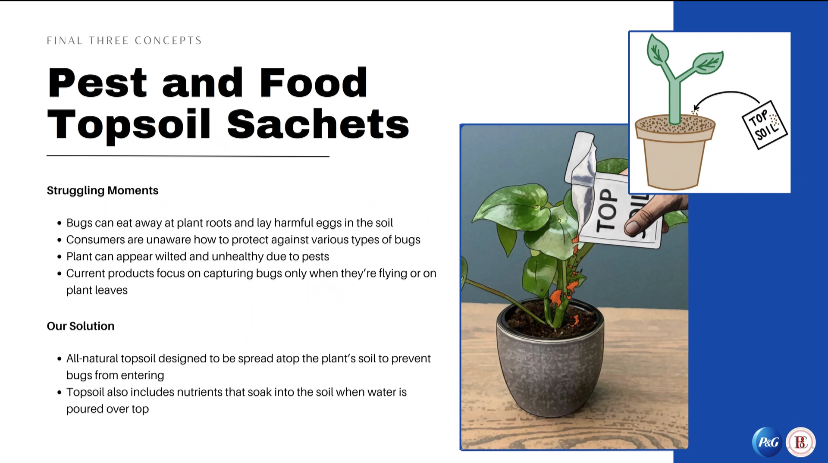
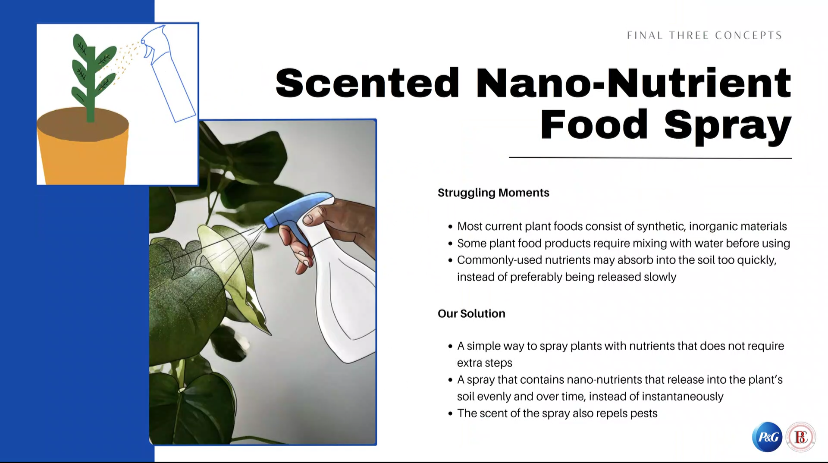
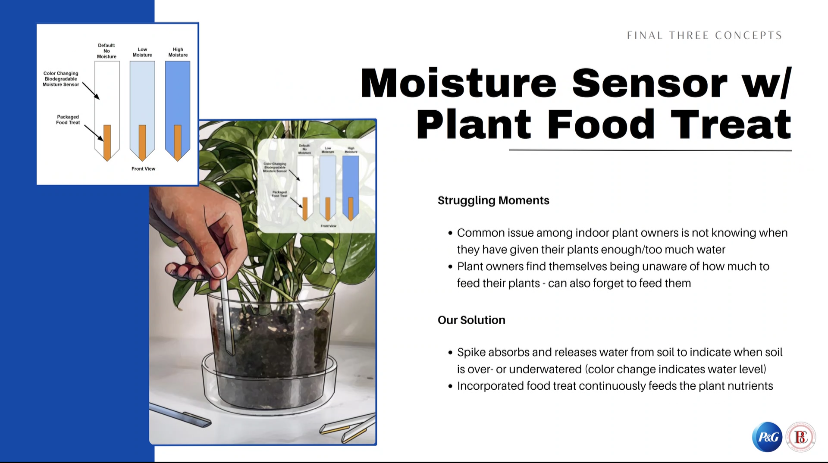
We wanted to focus on a moisture sensor product that helps plant parents know if they need to water their plant. We purchased 3 existing moisture sensors on the market and planned to do verification and validation testing with them.
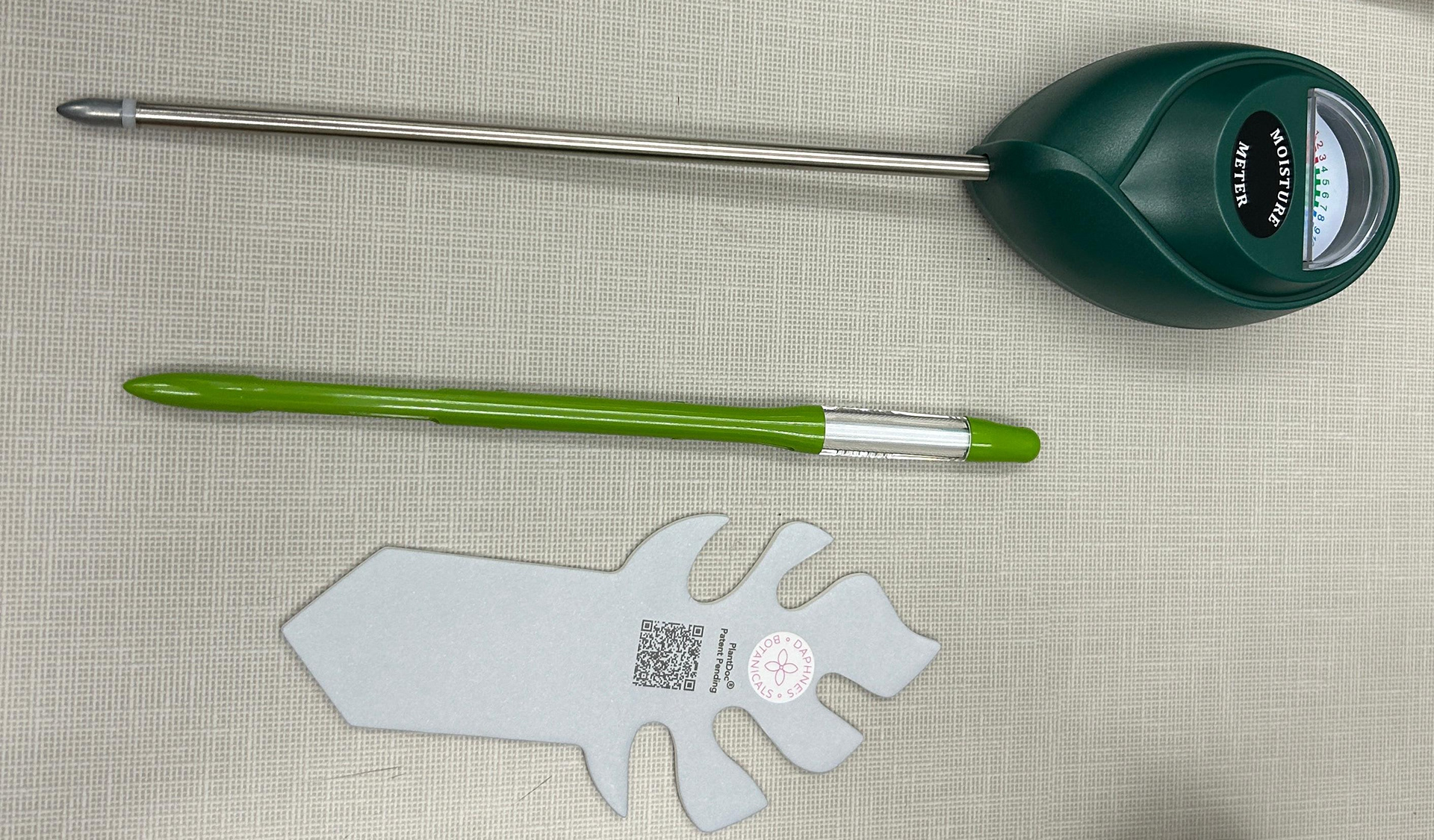
We asked users to monitor the provided plant with one of the moisture sensors and journal their experience using the product. We had 20 participants over 2 weeks complete these study. From this, we received feedback on what aspects of the products users enjoyed and which they did not enjoy.
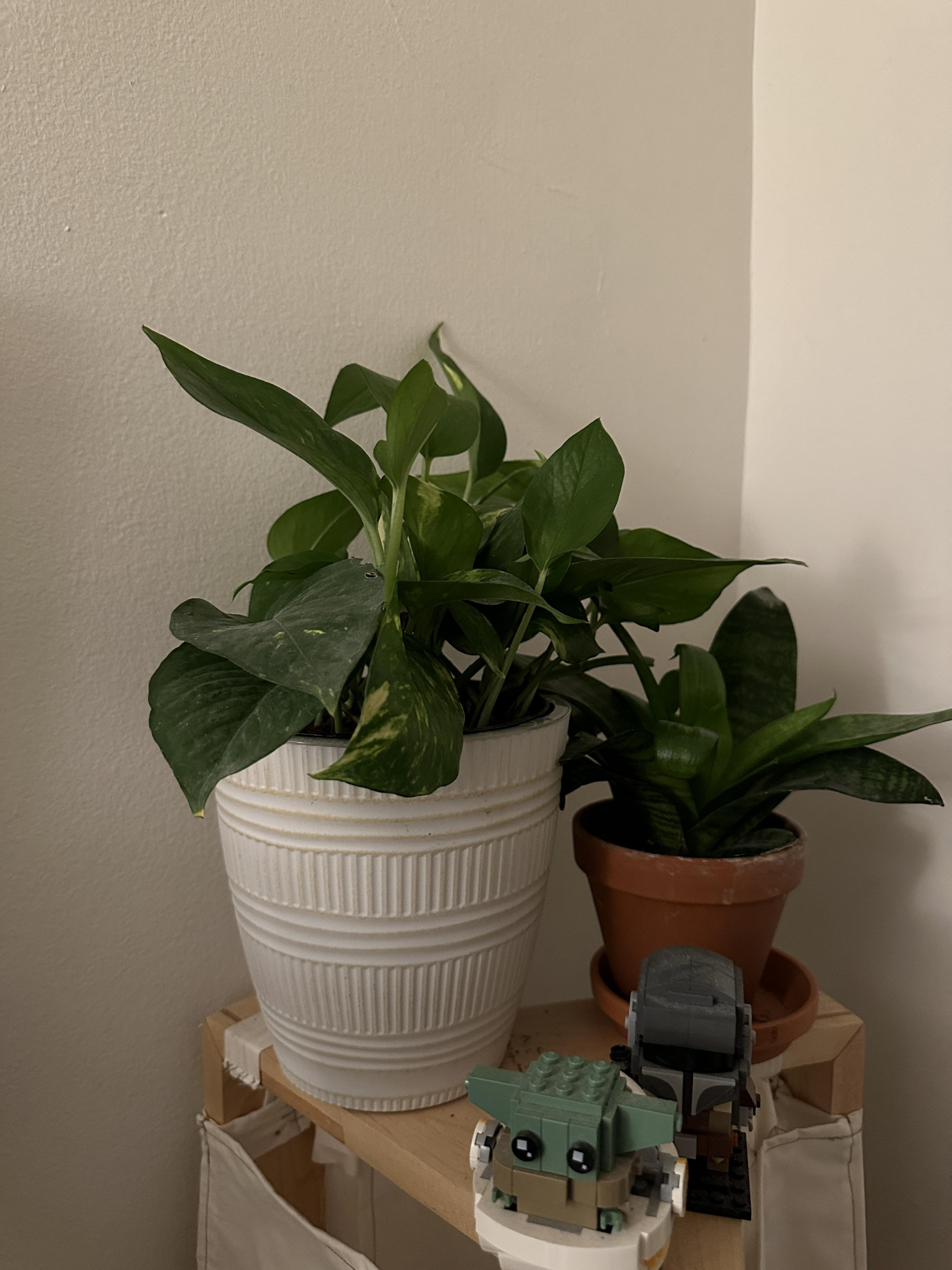
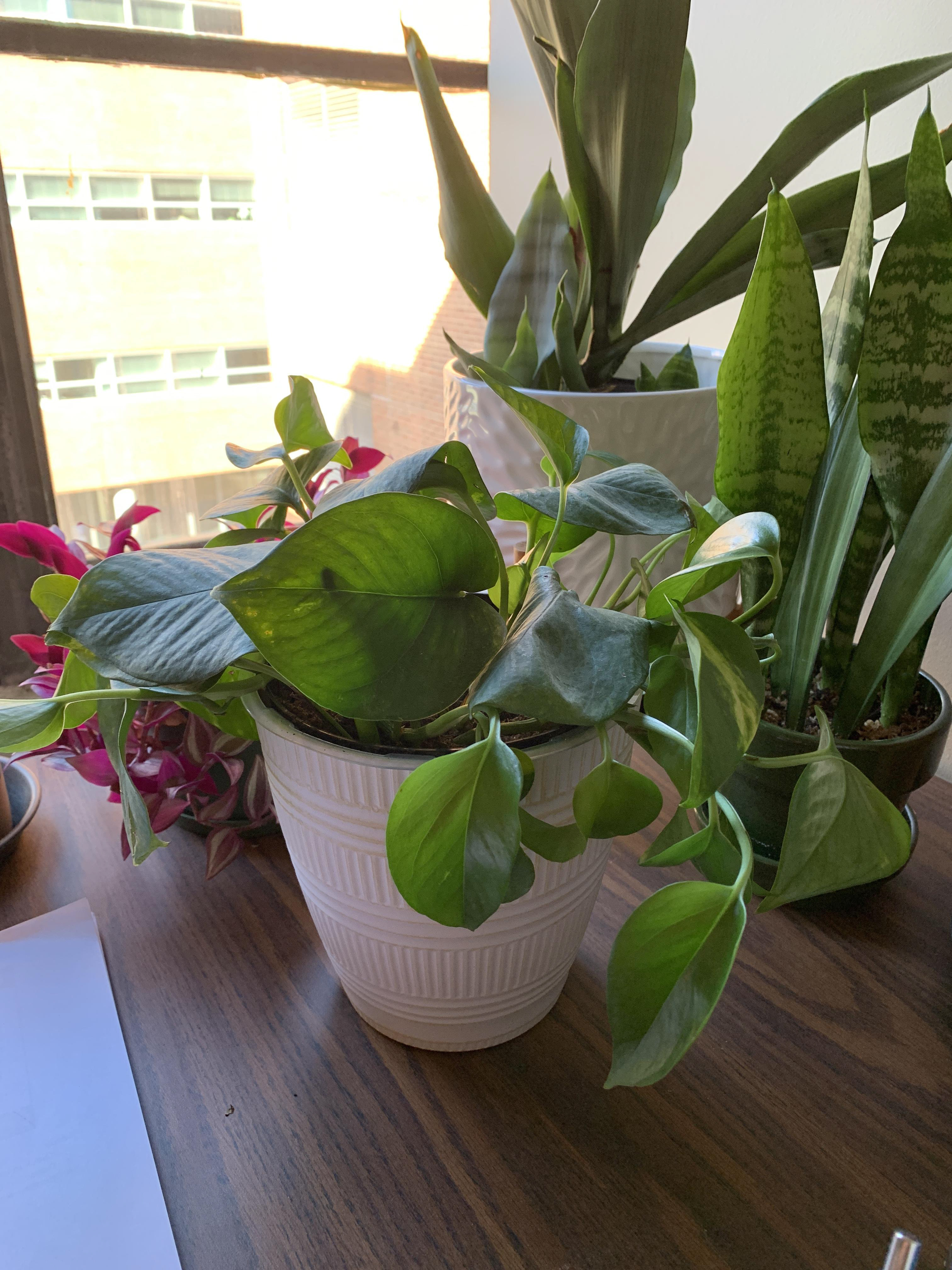
Using the feedback from the users, we come up with additional user needs for the product.
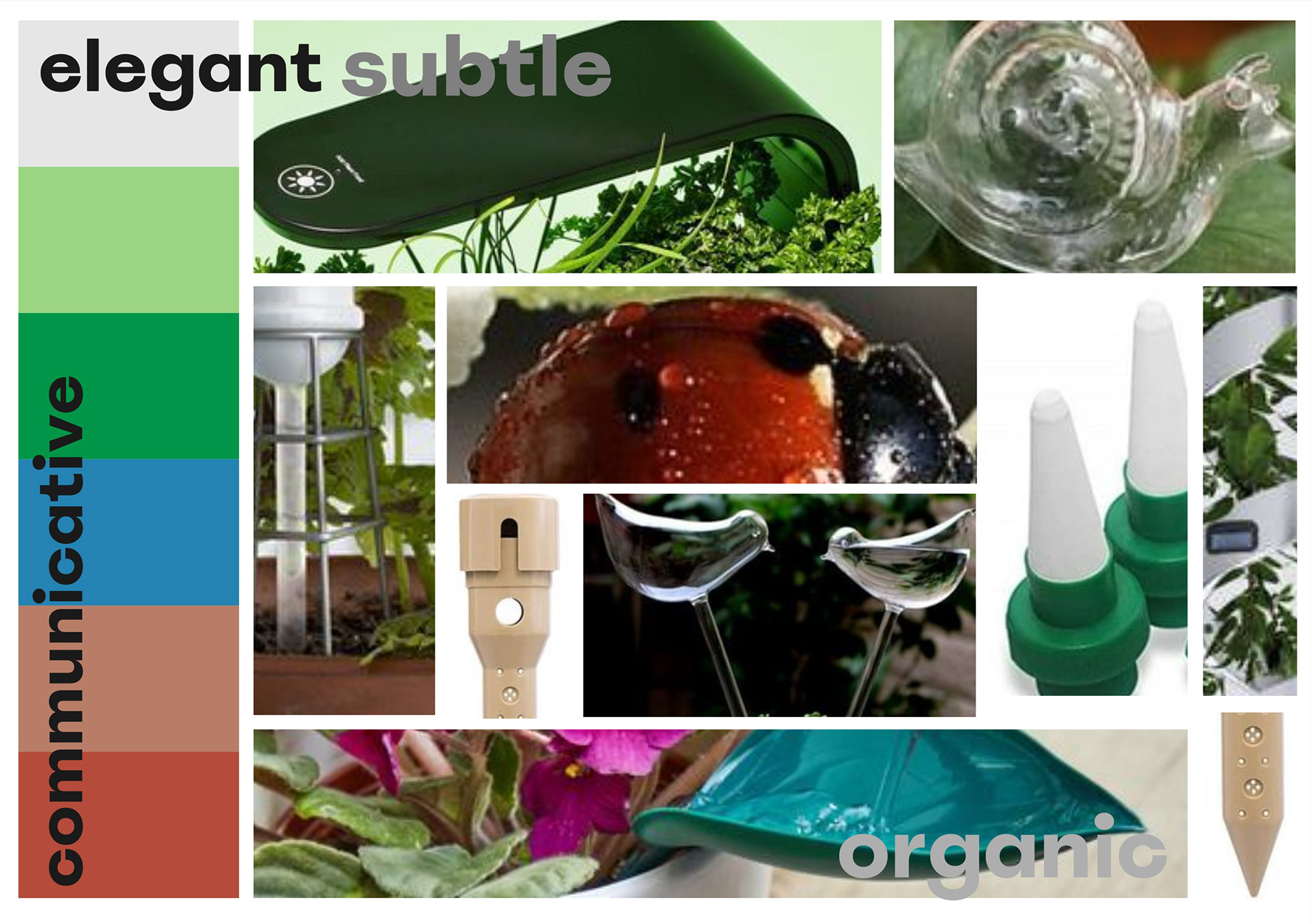
I began designing the product by coming up with a general aesthetic moodboard.
I went through form and concept iteration.
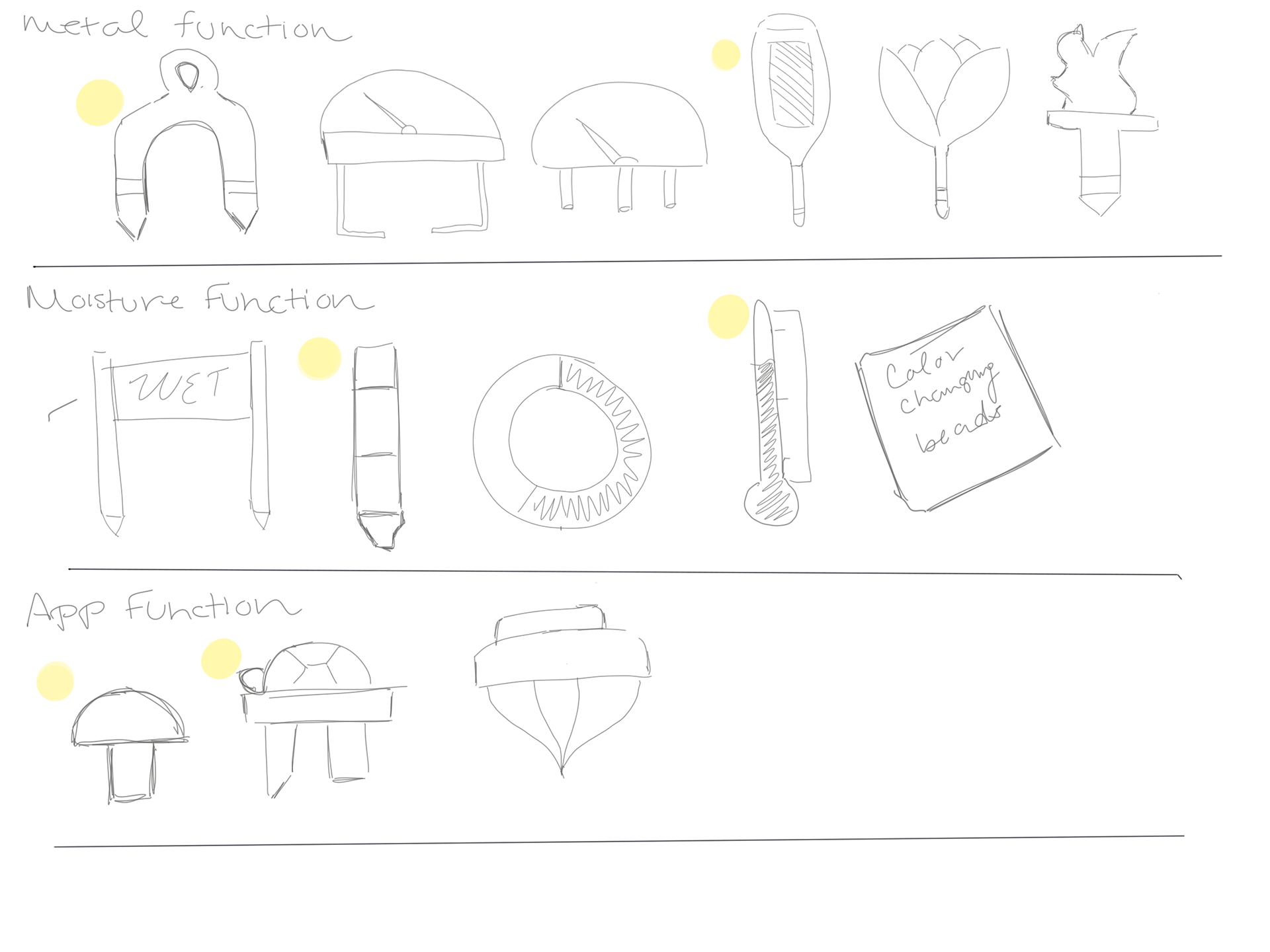
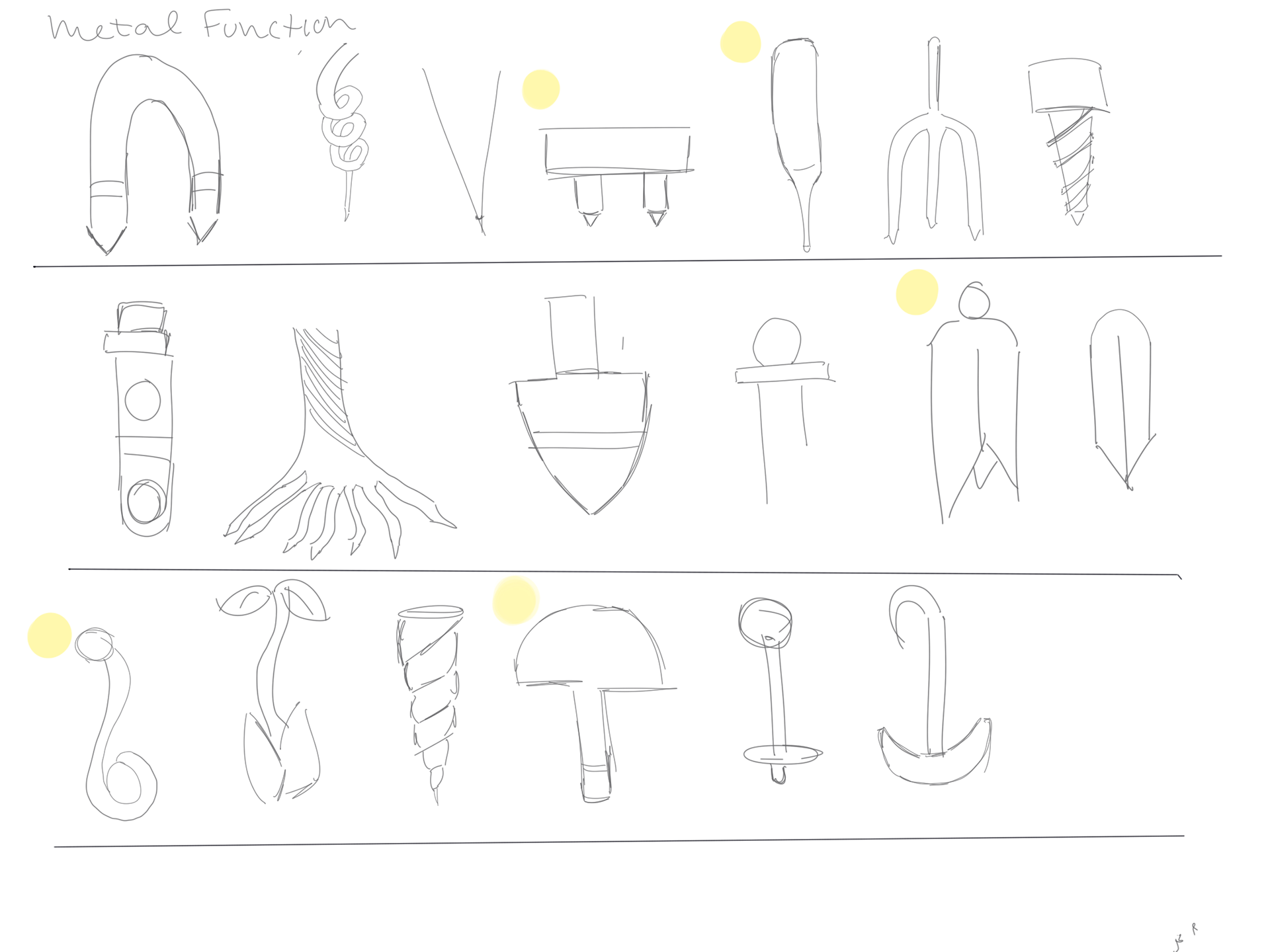
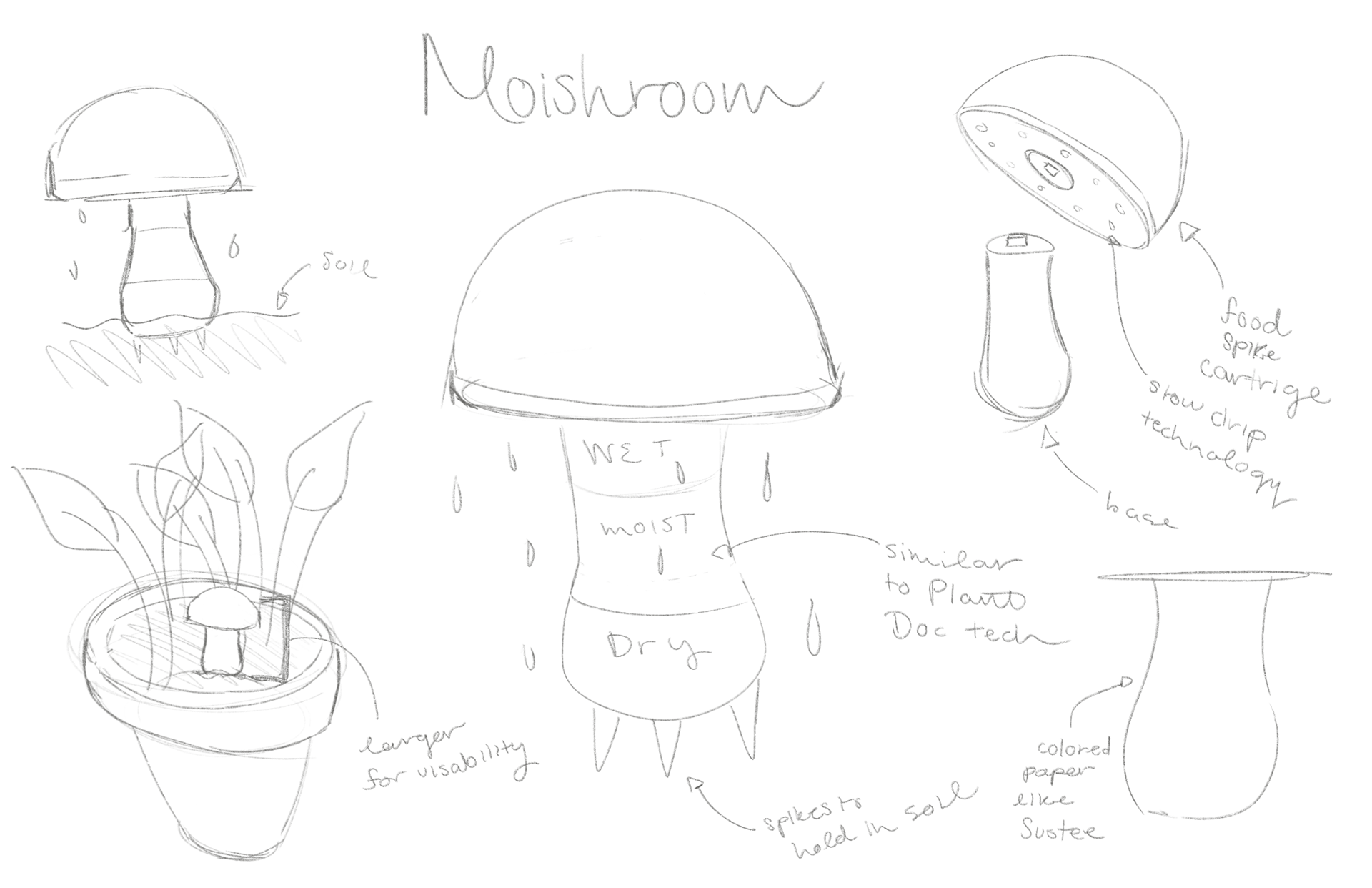
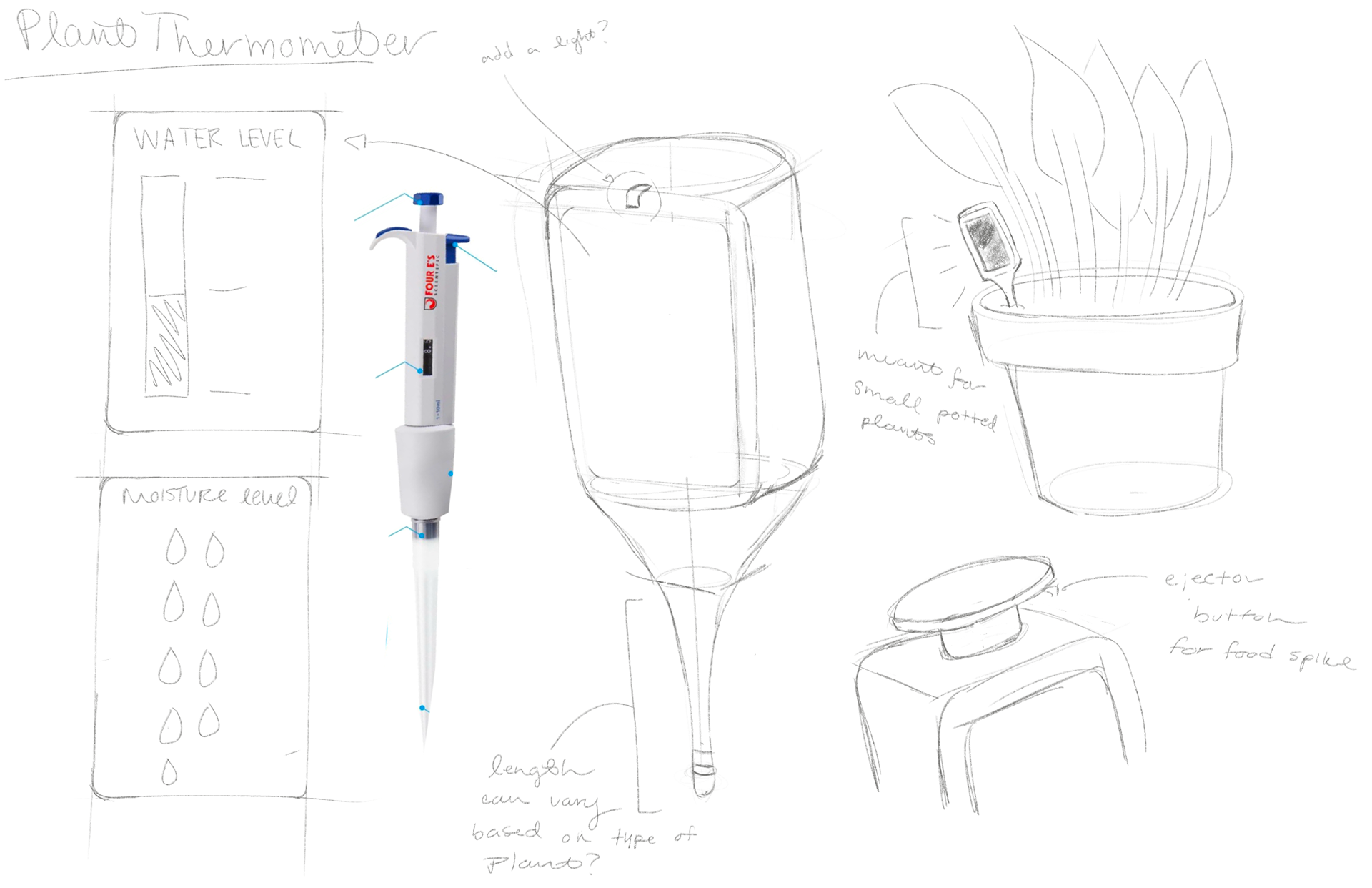
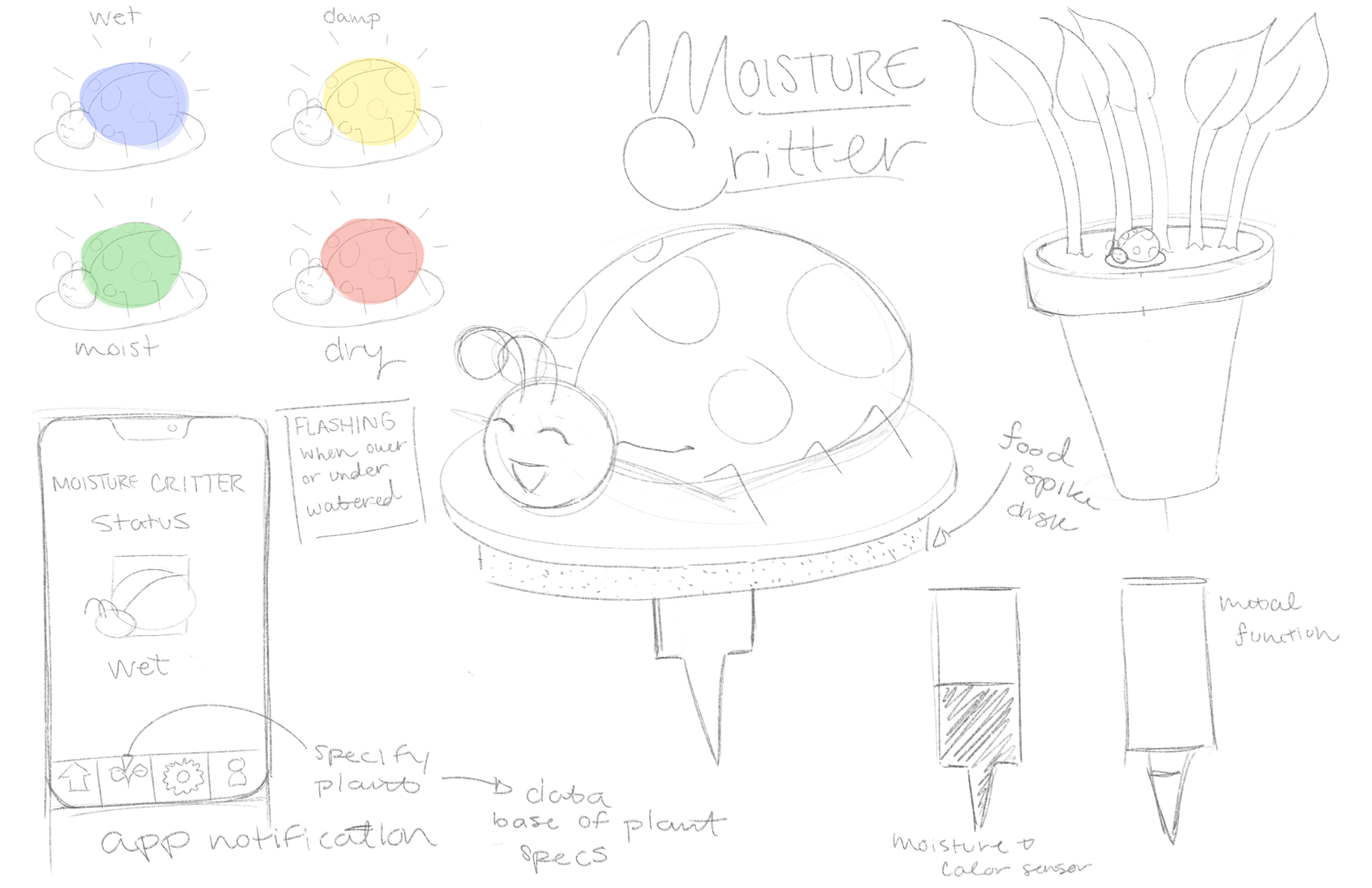
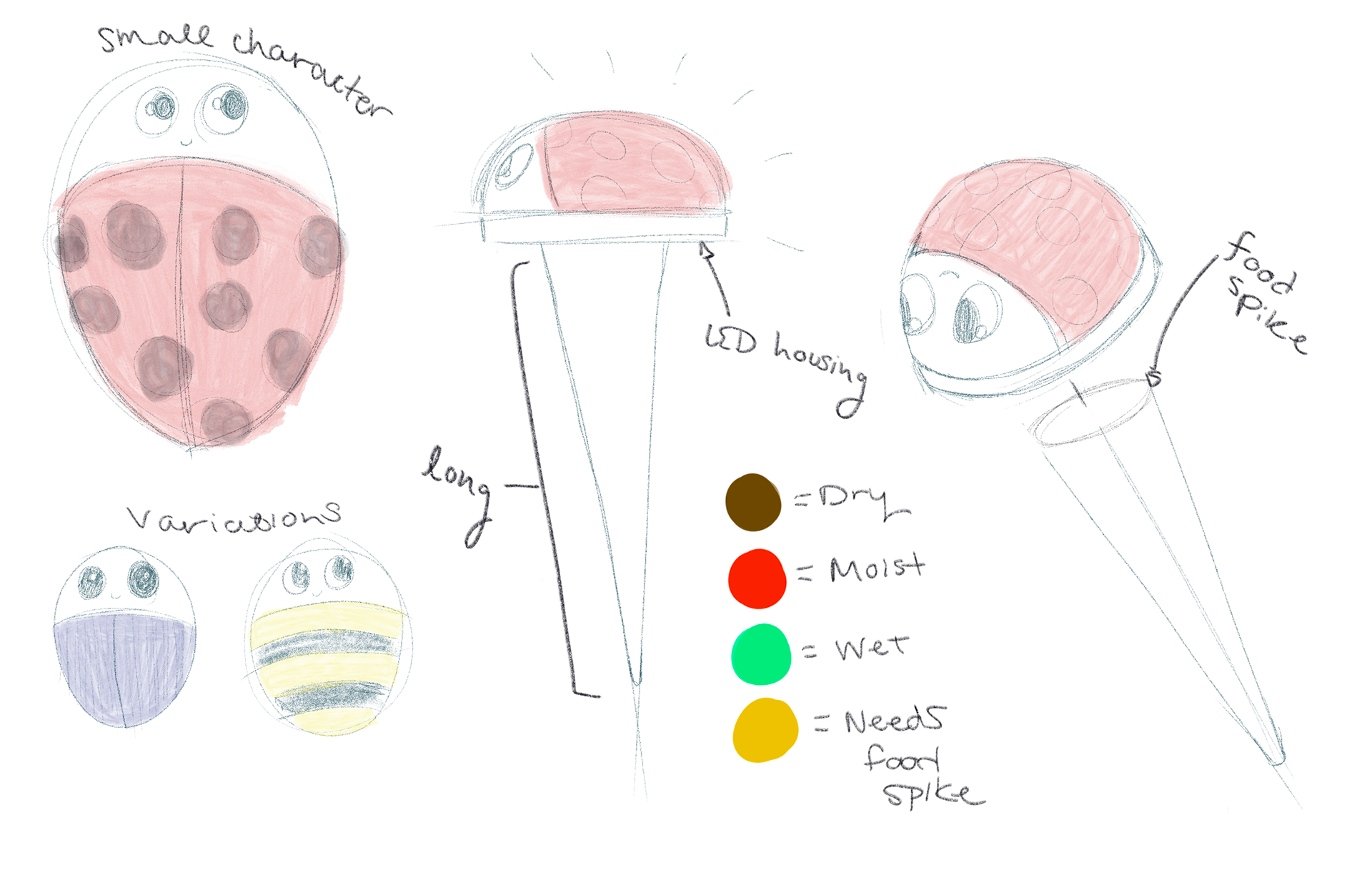
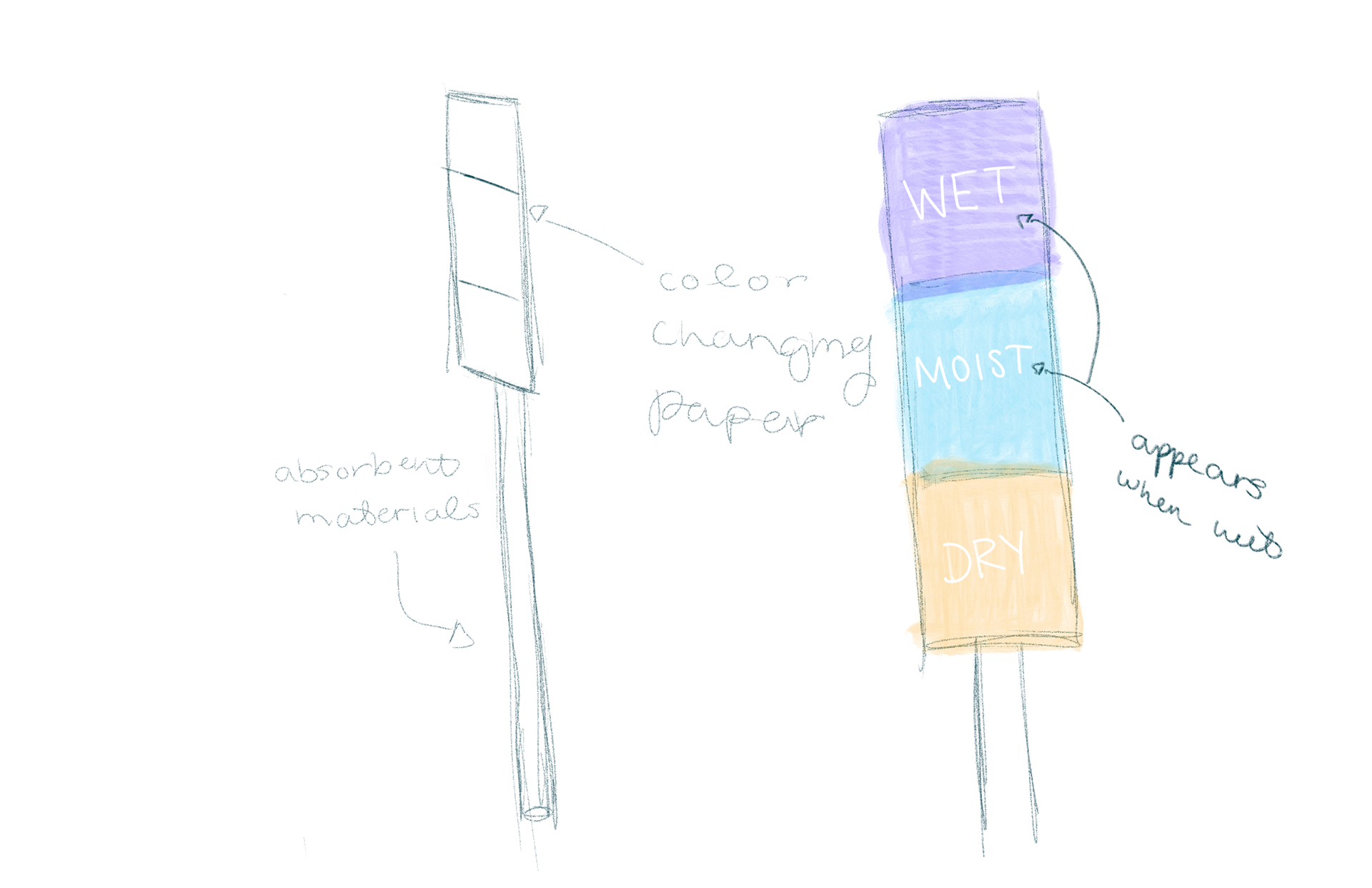
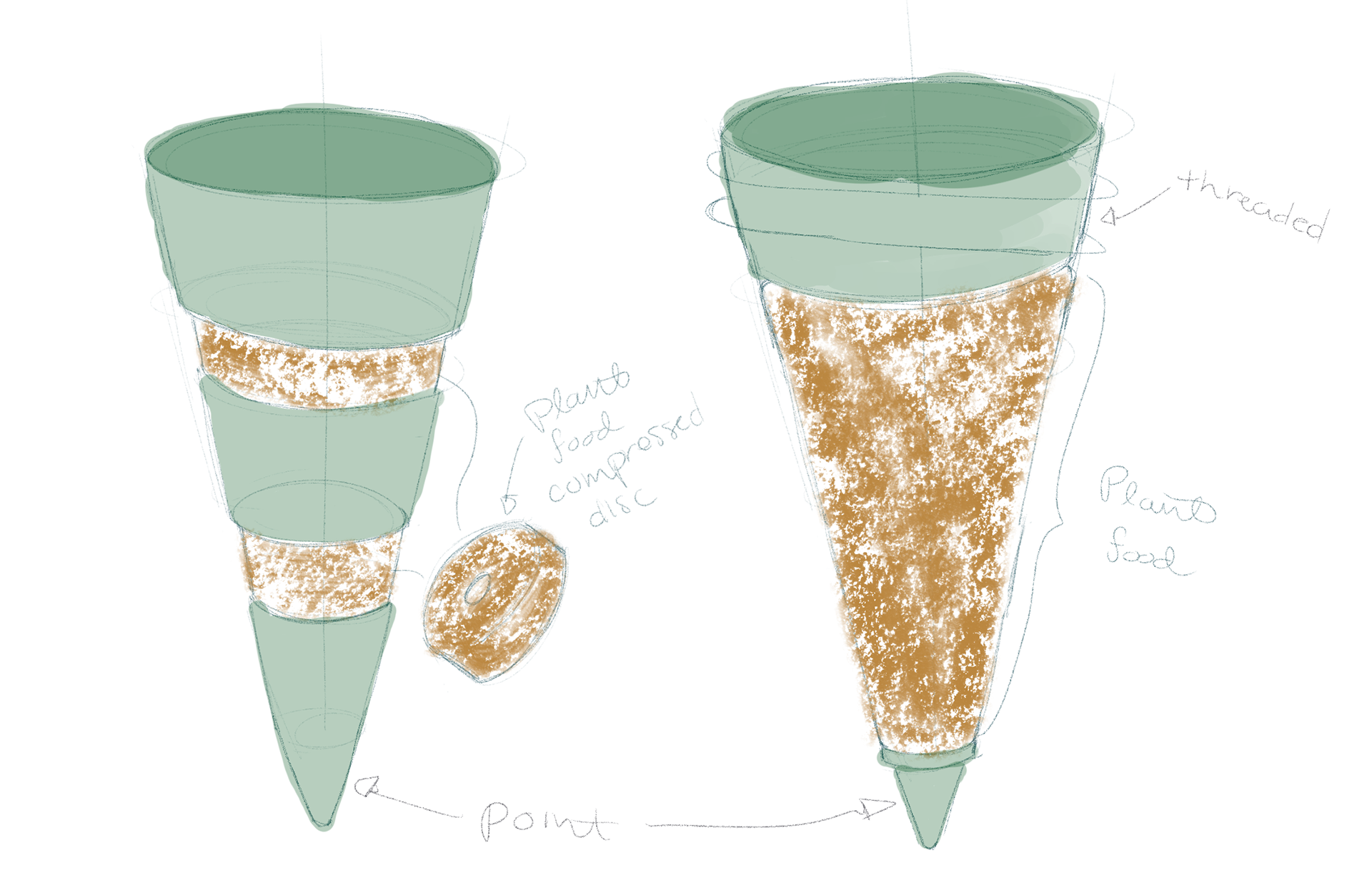
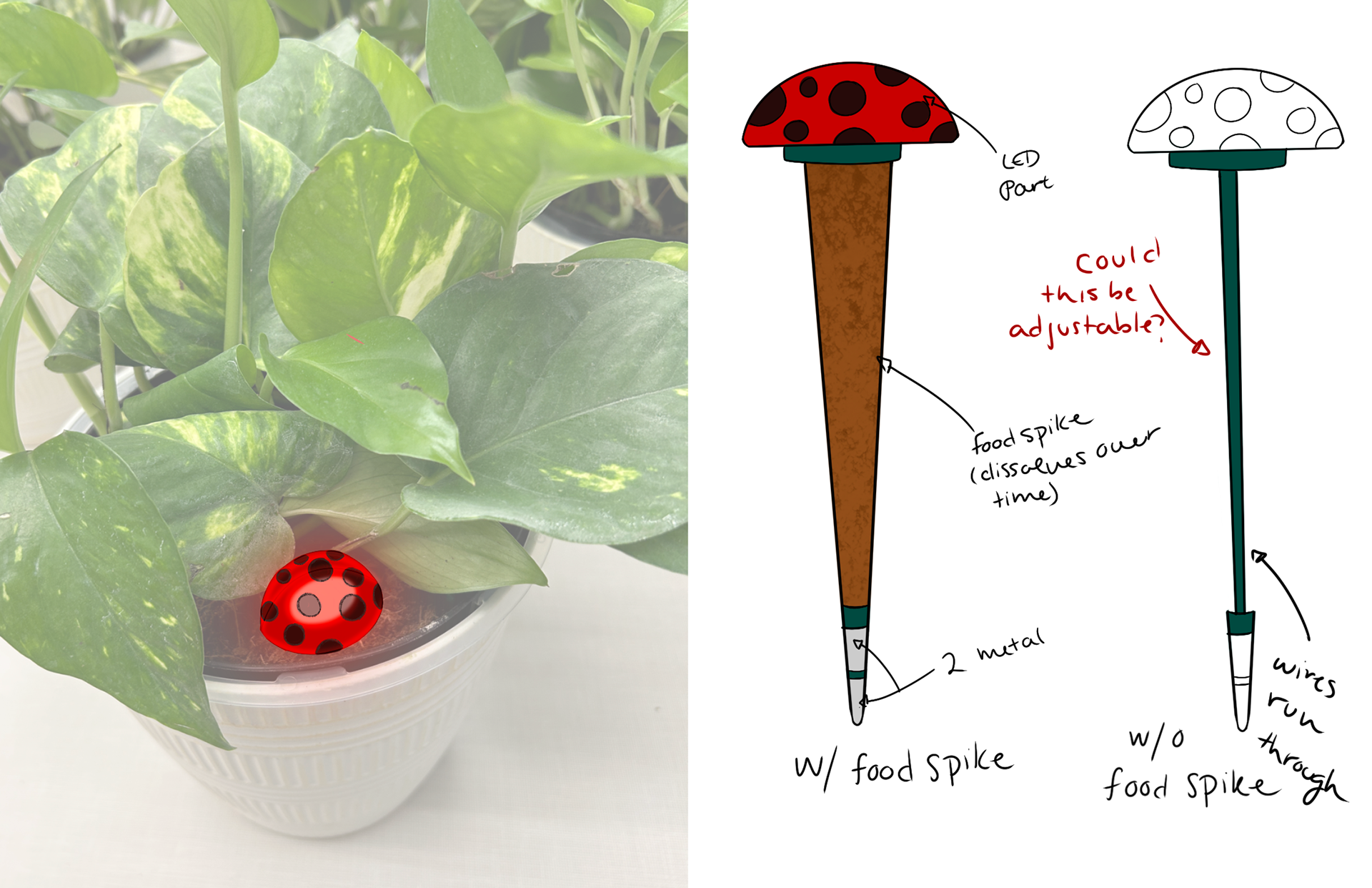
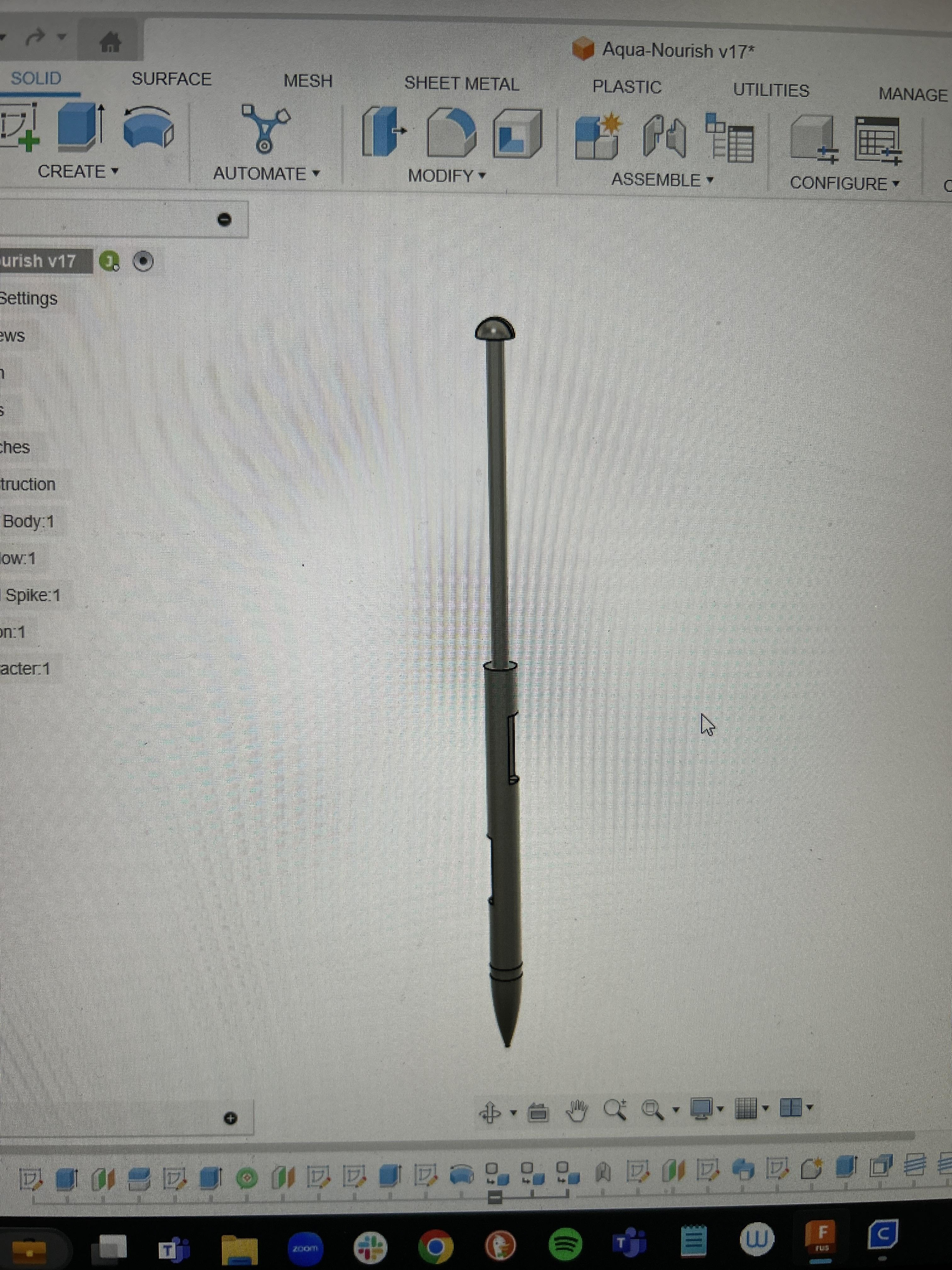
Working with the mechanical engineer of the group, I adjusted these concepts based on quantitative tests they did on the existing market moisture sensors. I continued my iteration in Fusion 360 and used the models to push out 2 concept renderings.
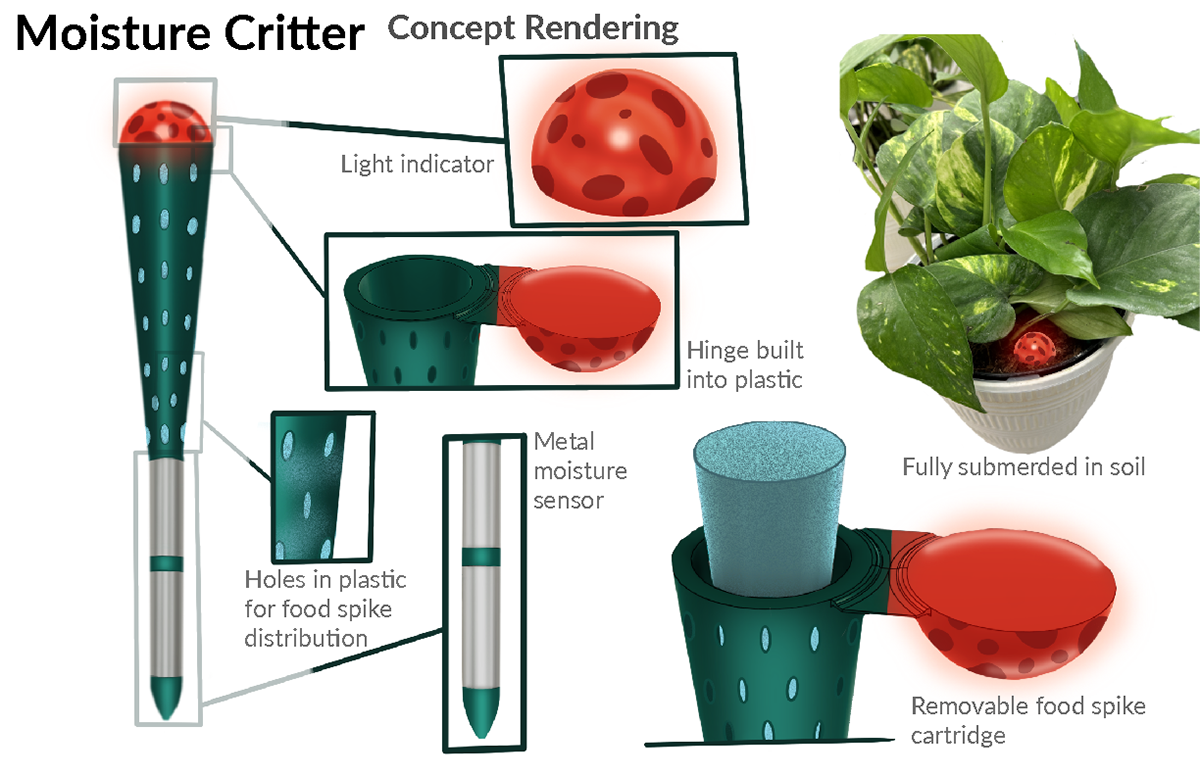
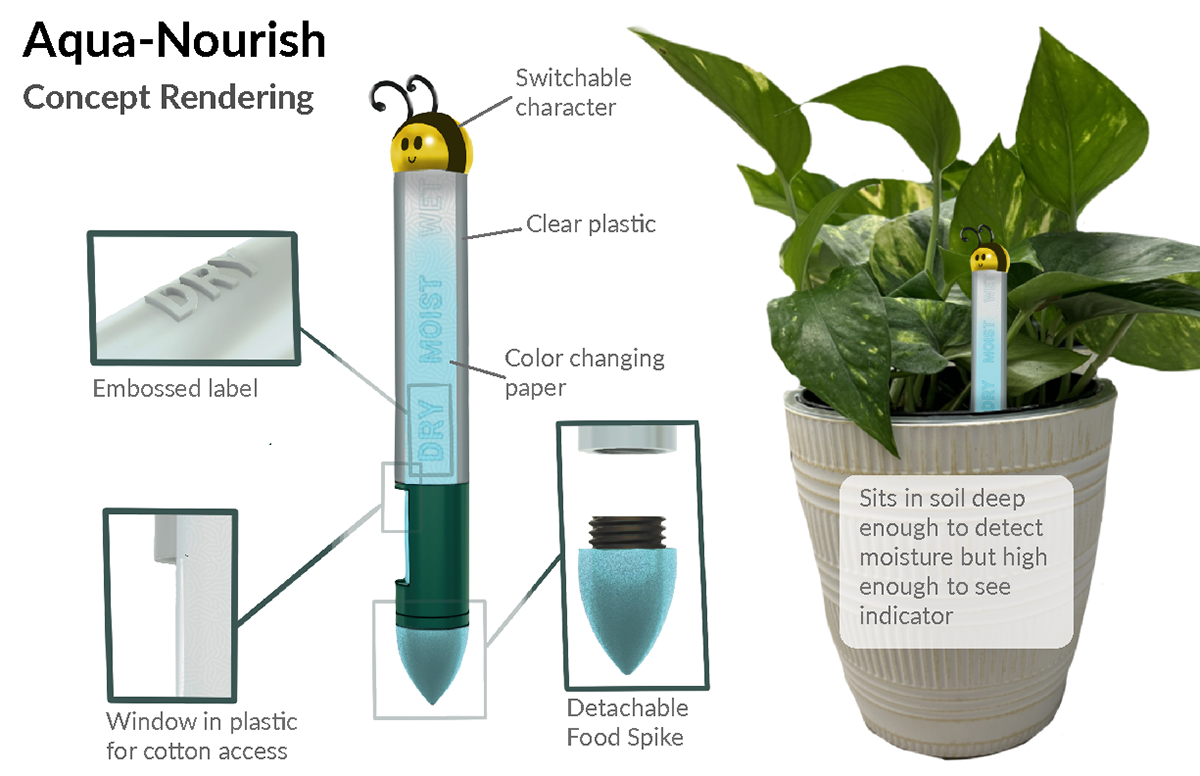
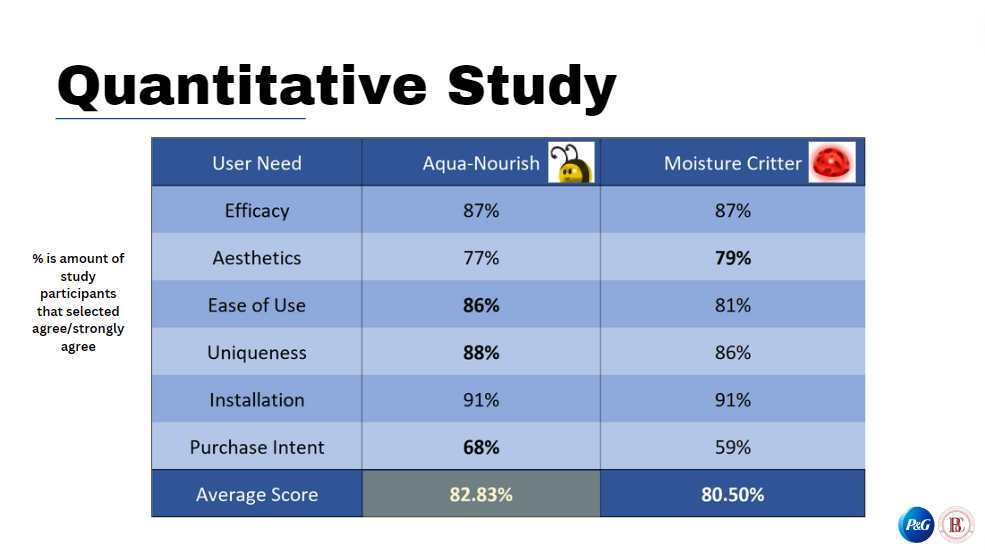
As a group, we sent out these renderings to get the opinion of consumers. Our goal was to determine a preference of efficacy, aesthetics, ease of use, uniqueness. installation. and purchase intent. The results of the study showed preference towards the AquaNourish. We decided to take the positive feedback from the moisture critter concept and applied that to the AquaNourish.
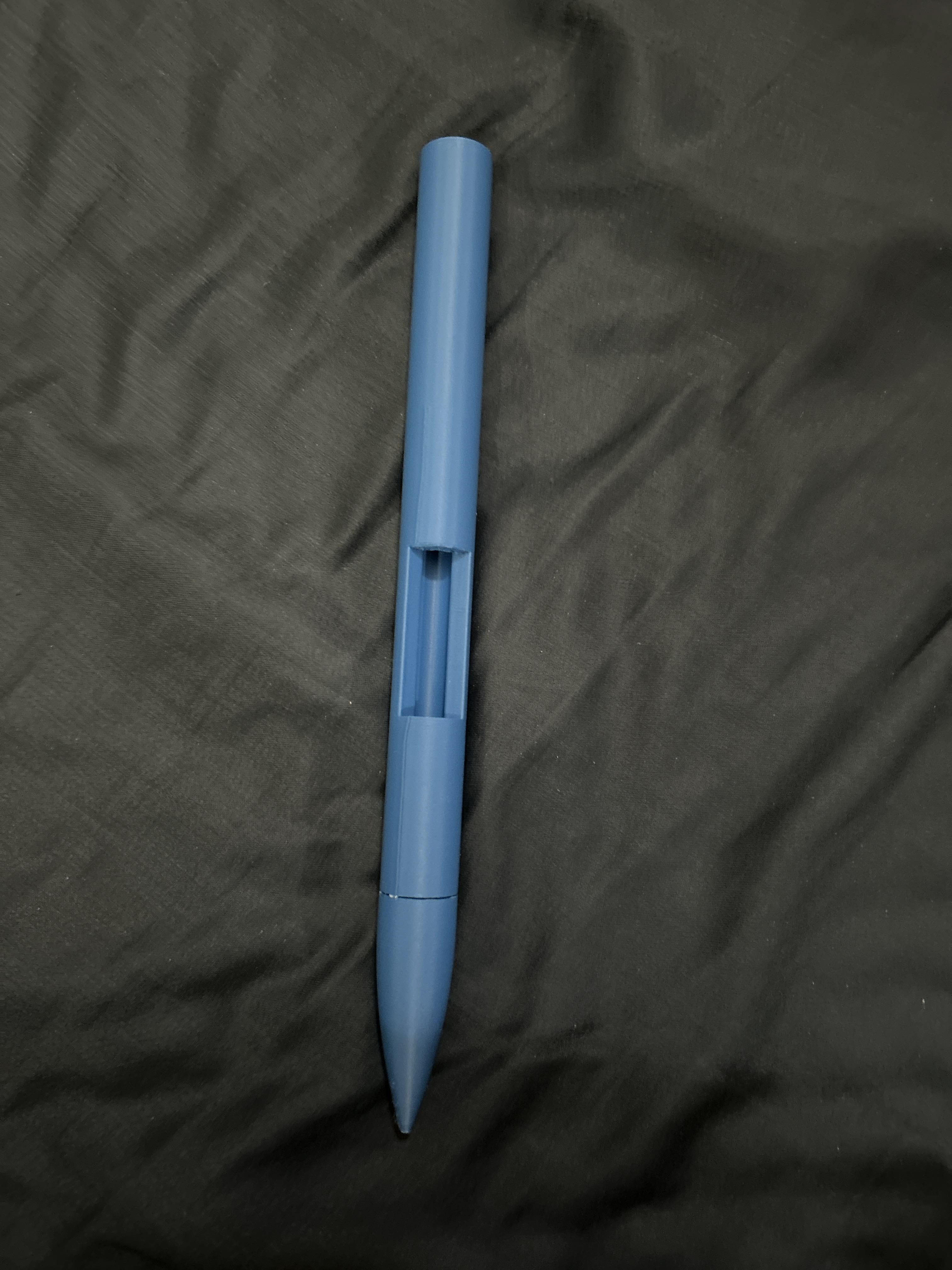
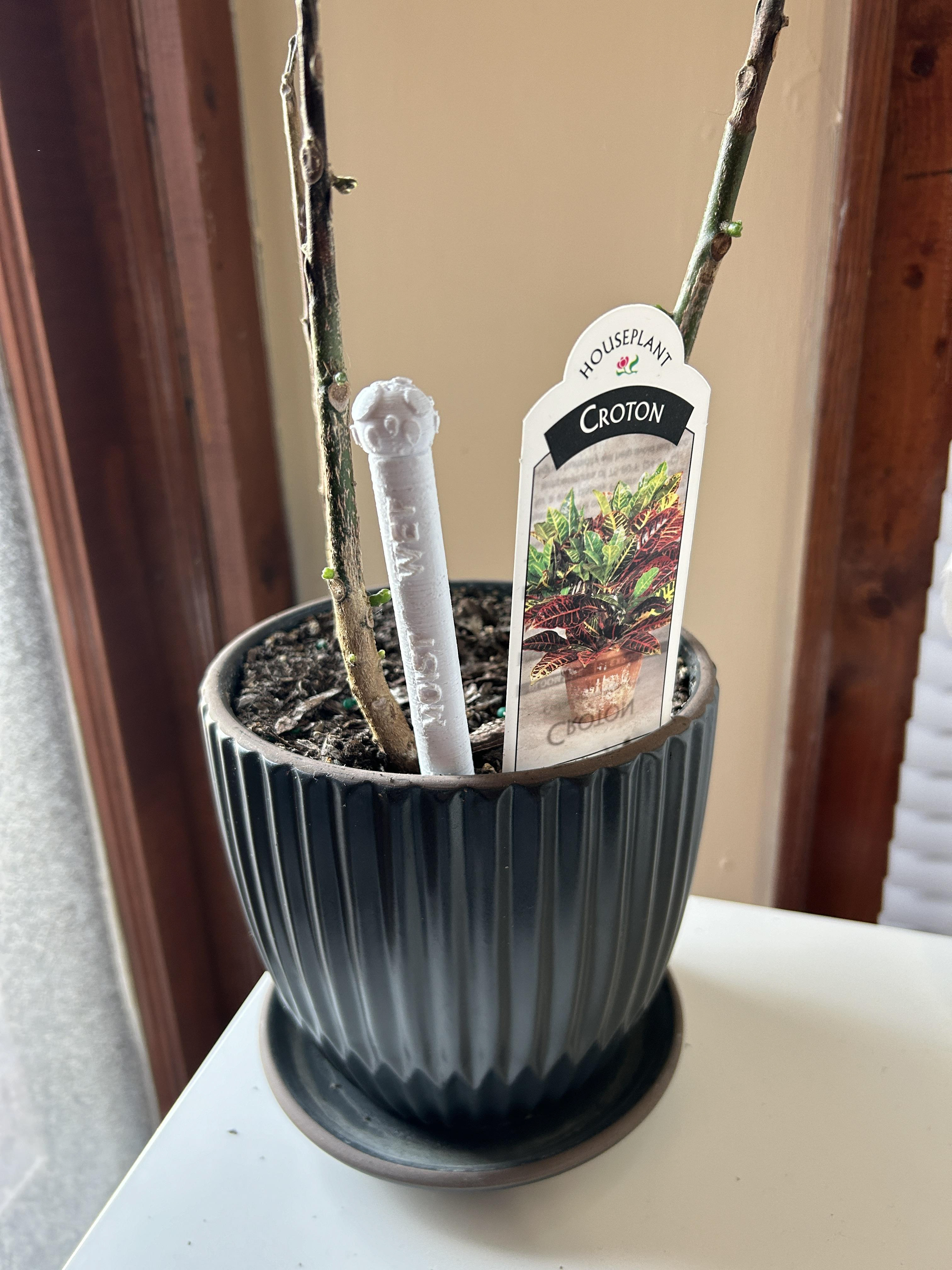
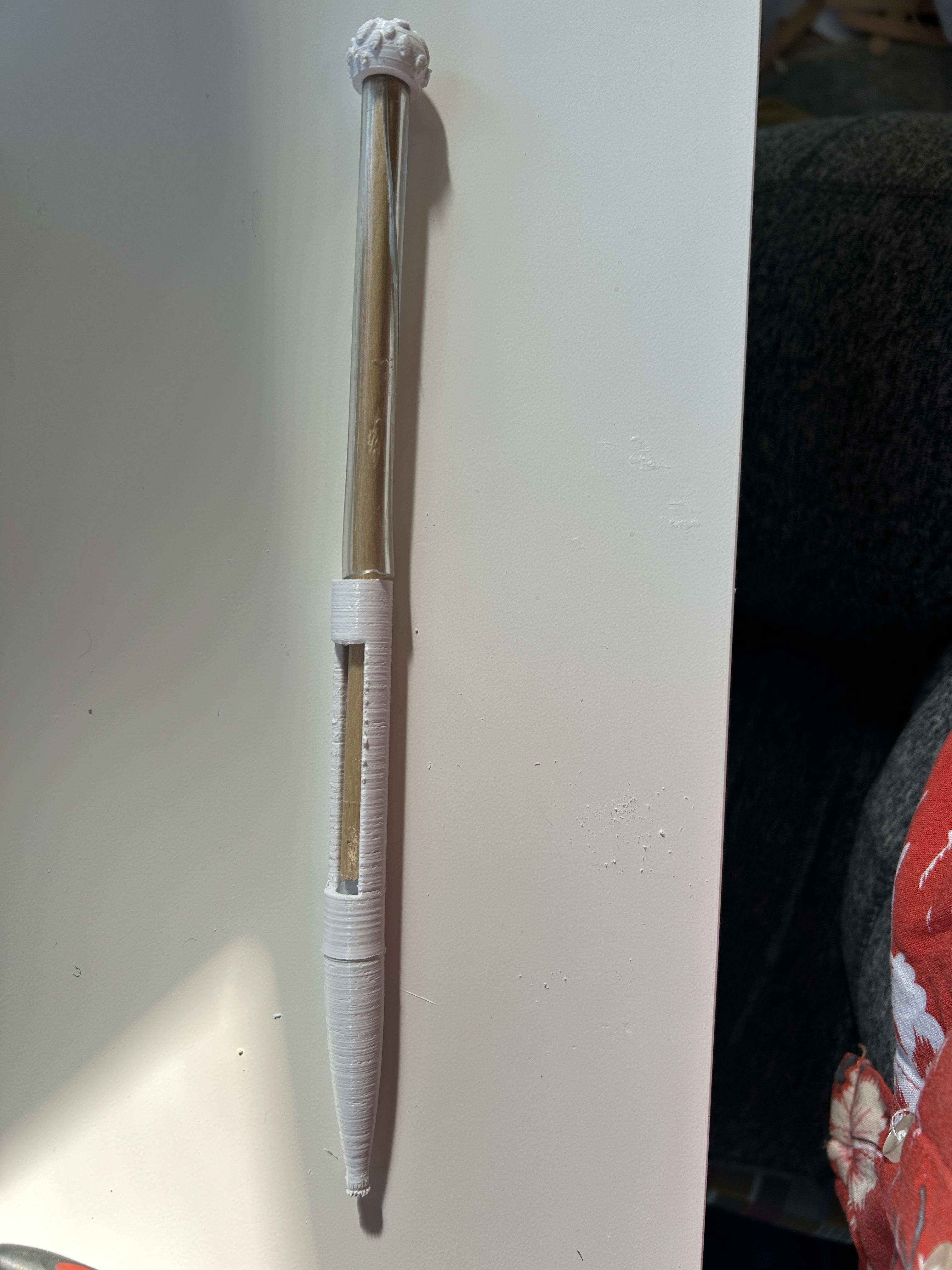
I went through a round of prototyping iteration by 3D printing the product and testing it's shape, size, durability, strength, and construction.